What Makes Hotel Lobby Sofa Design Work in Real Projects
Publish Time: 2026-04-29
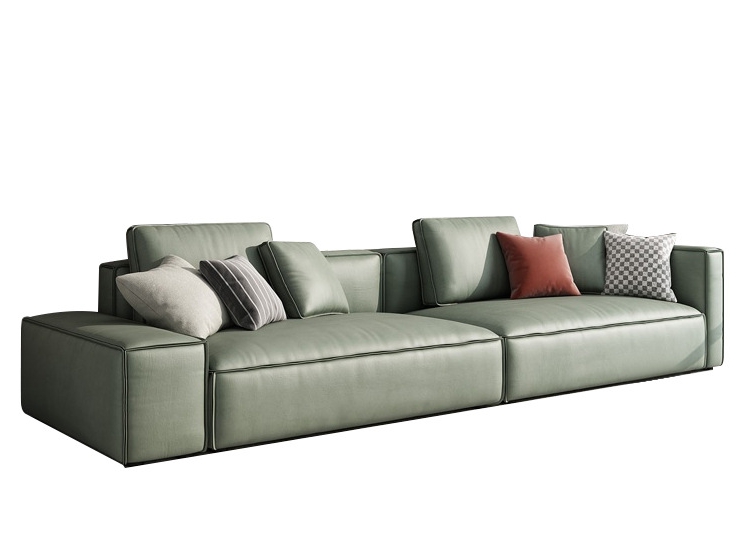
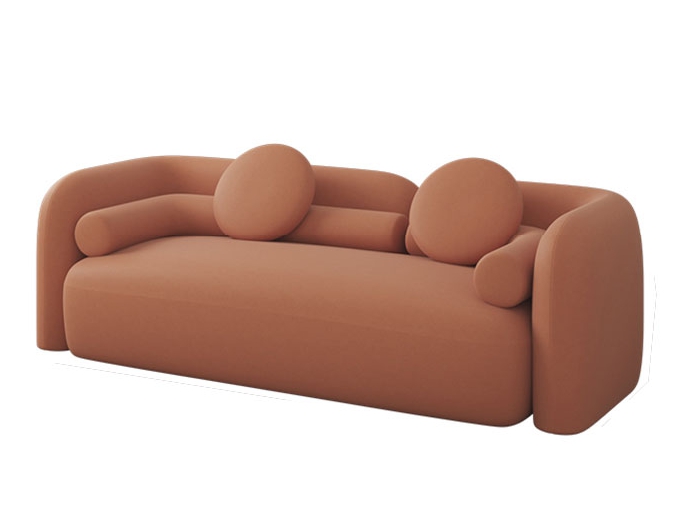
A hotel lobby sofa is often treated as a statement piece. It is visible, central, and closely connected to the image of the hotel. Because of that, many projects prioritize the sofa’s visual design and assume the rest will work itself out. In reality, the success of a hotel lobby sofa has much less to do with how impressive it looks in isolation and much more to do with how well it performs inside the real project. A strong design must survive daily use, fit the lobby layout, support guest behavior, and remain visually strong over time. If any of these fail, the sofa may still look good in a photo but work badly in the hotel.
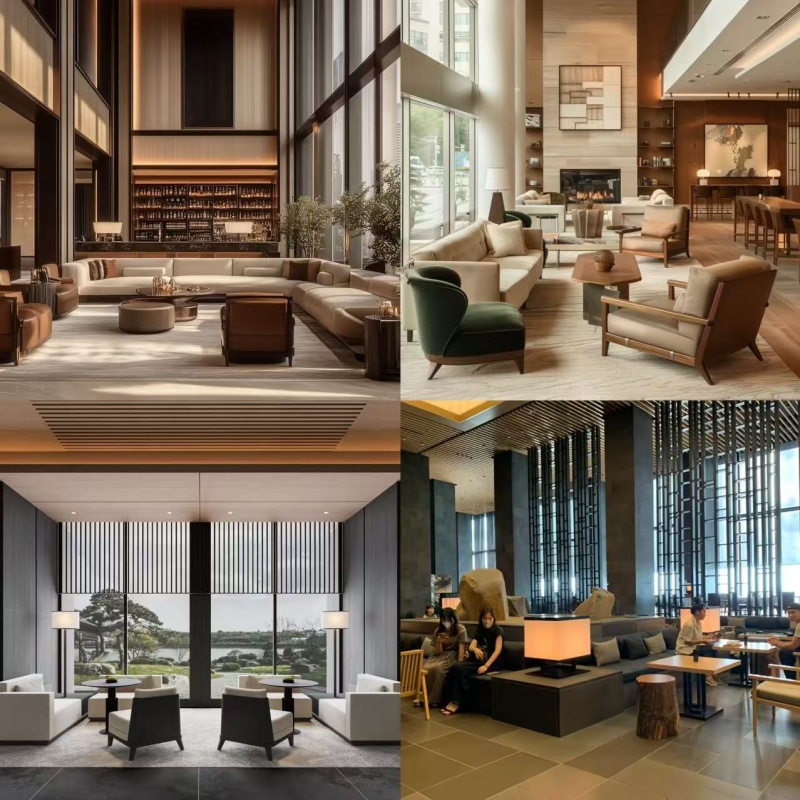
Scale is one of the first issues that determines whether a hotel lobby sofa design works. A sofa may look elegant in a catalogue and still be completely wrong for the project. In smaller lobbies, oversized sofas can dominate the space, block circulation, and make the area feel heavy. In larger lobbies, under-scaled sofas make the space feel weak and unfinished. The sofa should relate not only to the room dimensions but also to ceiling height, surrounding furniture, reception distance, and guest traffic. Good hotel lobby sofa design begins with spatial proportion, not with isolated product selection.
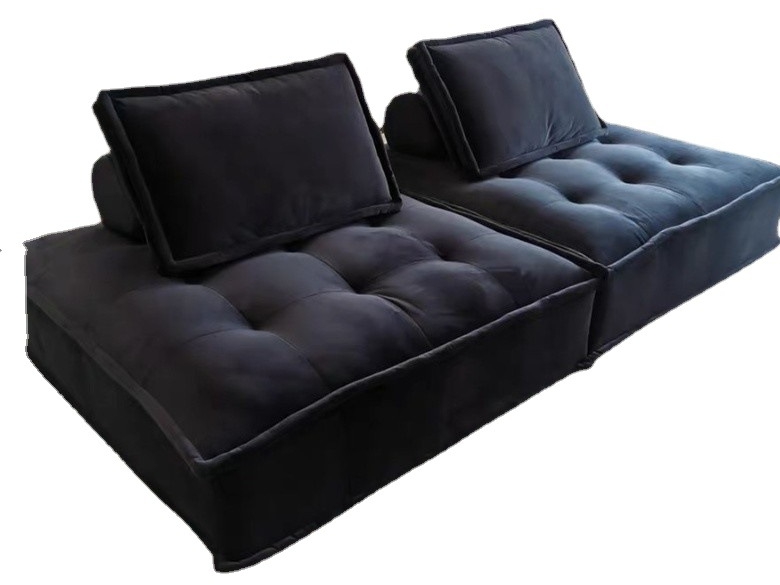
Comfort is the second major factor. A hotel lobby sofa is not used in the same way as a private living room sofa. Guests may sit for a few minutes while waiting, have short conversations, hold business meetings, or rest with luggage nearby. This means the ideal comfort level is usually balanced rather than extreme. A very deep, very soft sofa may look luxurious but perform poorly in a commercial lobby because it is awkward for short-term use and hard for some guests to get up from. A sofa that is too upright and rigid may feel durable but fail to create a welcoming atmosphere. The best hotel lobby sofa designs usually provide controlled comfort: supportive, accessible, and suitable for varied users.
Durability is where many attractive designs begin to fail. Public lobby seating receives repeated pressure from many users every day. Guests lean, drop bags, shift position, and use the sofa in ways that are not always careful. Housekeeping teams also clean and work around the furniture constantly. A successful hotel lobby sofa design must be built for this reality. The frame, base, legs, seat support, foam density, upholstery construction, and stitching quality all matter. Sofas that rely on delicate shapes, weak bases, or unstable upholstery tension may struggle in real hospitality use even if they look strong on opening day.
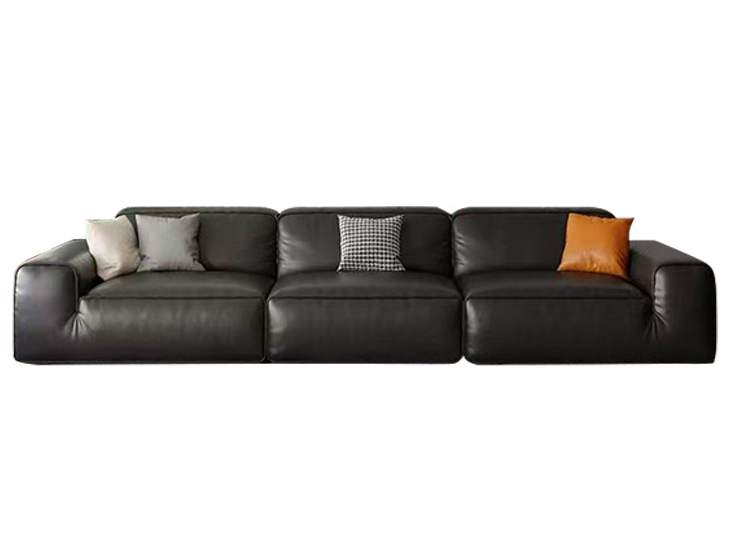
Material selection has a direct effect on how well the design survives over time. Upholstery should suit both the visual style of the hotel and the operational demands of the lobby. Some fabrics offer warmth and depth but may stain or wear too easily in heavy-traffic areas. Some faux leathers are easy to clean but may age poorly if the quality is not high enough. Textured fabrics can help hide wear, while smoother surfaces may reveal it more quickly. The right material depends on guest profile, traffic level, cleaning routine, and the hotel’s desired image. A well-designed hotel lobby sofa is never just about silhouette. It is also about material realism.
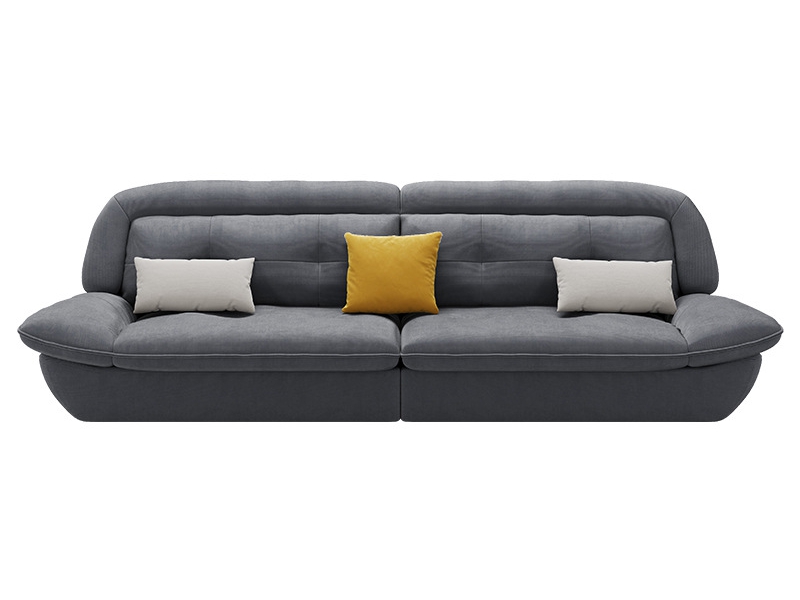
Layout integration is another factor that separates successful lobby sofa design from decorative failure. A sofa may be well made and still work poorly if it is not properly connected to surrounding furniture. The relationship to coffee tables, side tables, lounge chairs, planters, rugs, and circulation paths should all be considered. In many lobbies, the sofa is not a standalone object but part of a seating cluster. Its back height, arm shape, openness, and orientation all influence how the lobby feels. Good design helps create conversation, waiting, and movement zones without forcing them.
Hotel positioning should also influence sofa design decisions. A business hotel may benefit from cleaner lines, stable upholstery, and efficient seating logic. A boutique hotel may allow more sculptural or expressive forms if they are still buildable and durable. A resort or lifestyle property may use softer, more lounge-like seating language. The problem starts when the hotel copies an image from another segment without understanding the operational differences behind it. Sofa design should support the property’s real use profile, not only its design ambition.
Maintenance is another overlooked factor. Some sofa designs look refined but are difficult to clean, difficult to repair, or too exposed to visible damage. In a busy hotel lobby, that becomes a commercial issue very quickly. Furniture that cannot maintain its appearance under normal operations weakens the entire impression of the space. Good hotel lobby sofa design should consider how the upholstery will age, whether components can be repaired, and how easily the piece can be kept presentable.
Custom hotel lobby sofa design can create strong value when it is used with discipline. A custom piece can improve scale, align better with brand identity, and solve specific layout needs. But customization without technical control is risky. Unusual curves, special bases, oversized forms, and mixed-material details all need proper engineering. The more public the space, the less room there is for weak execution. A good hotel furniture manufacturer should help balance design ambition with structural reality.
In the end, hotel lobby sofa design works in real projects when it connects beauty with performance. The sofa must suit the scale of the lobby, support real guest behavior, survive heavy daily use, and maintain visual credibility over time. A sofa that only performs in renderings is not a successful hotel product. A sofa that still looks right and feels right after months of public use is the one that truly works.