How to Choose Hotel Lobby Furniture for First Impressions and Daily Use
Publish Time: 2026-04-28
Hotel lobby furniture does more than fill a public space. It helps define the property’s first impression, supports guest movement, influences perceived quality, and absorbs heavy daily use. This makes lobby furniture one of the most visible and commercially important parts of any hotel furnishing package. Yet it is also one of the easiest areas to get wrong. Some projects focus too much on visual drama and ignore durability. Others choose only practical pieces and lose brand impact. The right hotel lobby furniture should achieve both: immediate visual effect and strong daily performance.
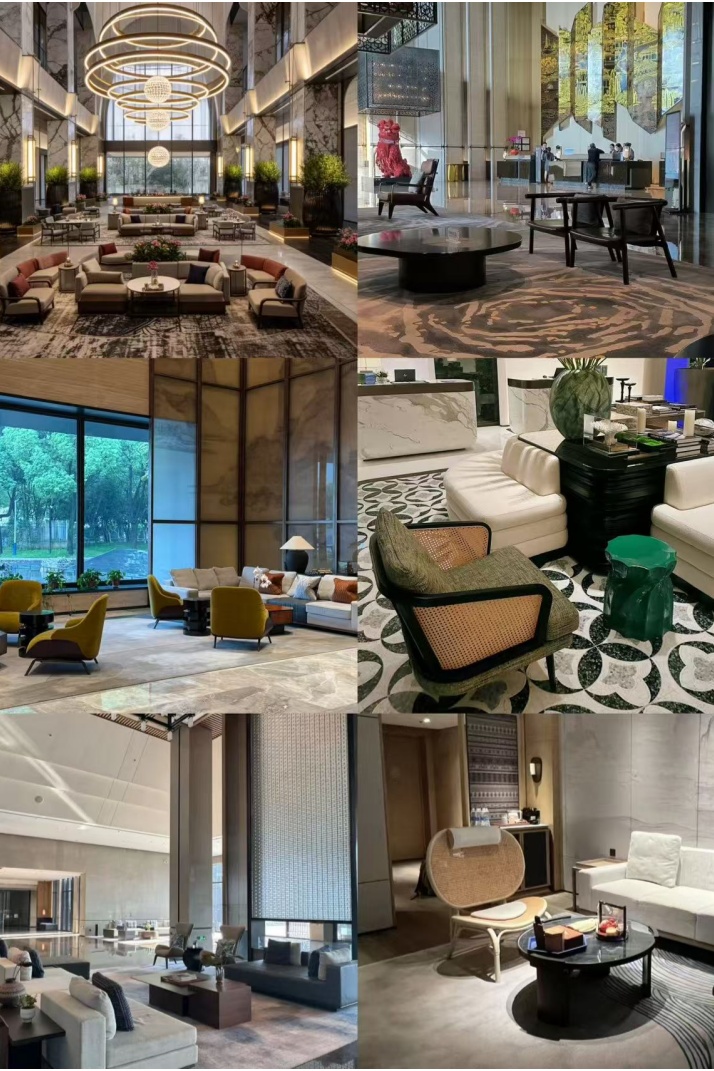
The first thing to understand is that a hotel lobby is not a living room. It may use sofas, lounge chairs, coffee tables, side tables, consoles, and reception-adjacent furniture, but the functional pressure is very different. Guests arrive with luggage, wait for check-in, meet visitors, use the space for short conversations, sit briefly before departure, or sometimes work casually in the public area. Staff also clean, rearrange, and move through the lobby constantly. For this reason, hotel lobby furniture should be selected based on traffic pattern, use duration, maintenance logic, and commercial wear, not only decorative style.
First impression matters because the lobby often sets the guest’s emotional expectation for the rest of the property. If the lobby furniture feels weak, dated, awkwardly arranged, or visually inconsistent, guests assume the same standard will continue into the rooms. On the other hand, when the lobby feels balanced, comfortable, and well composed, the hotel immediately gains credibility. This is why hotel lobby furniture should be treated as part of brand communication. It does not need to be expensive for the sake of expense, but it does need to feel intentional.
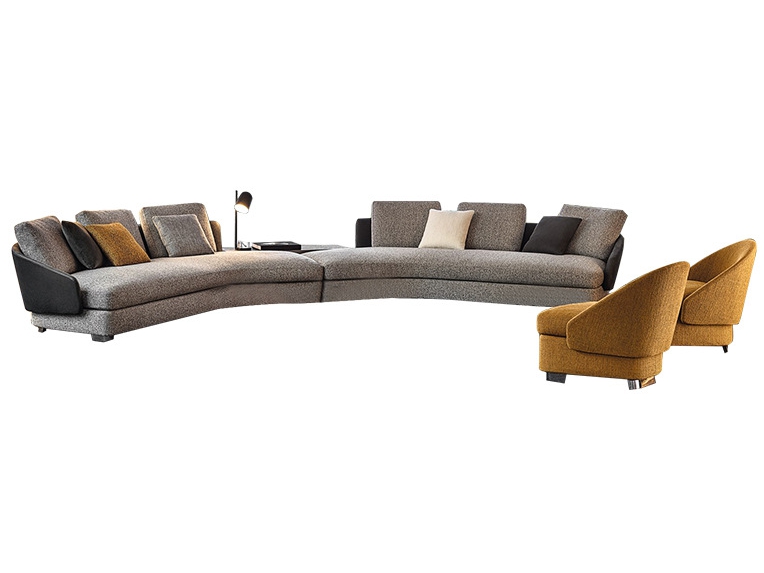
Layout is one of the most important parts of choosing hotel lobby furniture. A beautiful sofa placed in the wrong position is still a bad choice. The furniture must support circulation to reception, lifts, entrances, waiting zones, and sometimes café or lounge connections. If furniture blocks movement or creates awkward dead corners, the space becomes less useful no matter how attractive the individual pieces are. Good lobby furniture planning defines clear zones: quick waiting, social seating, conversation groups, and sometimes semi-private corners. Each zone may require a different furniture type and seating density.
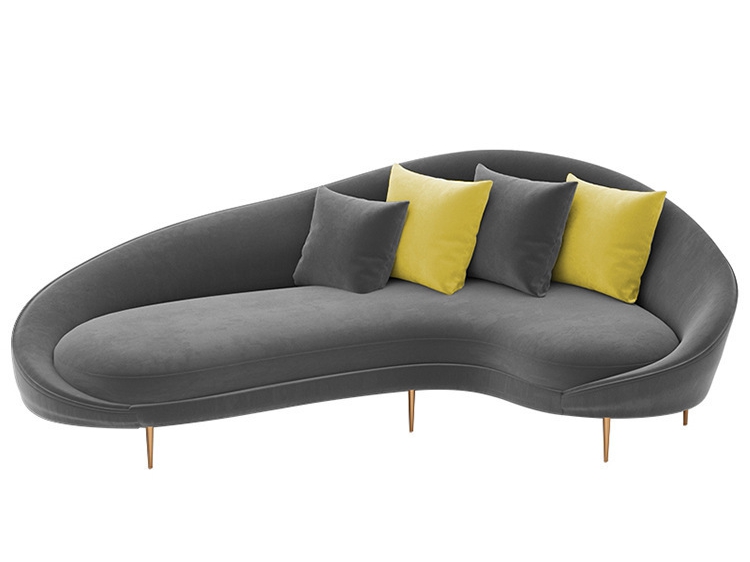
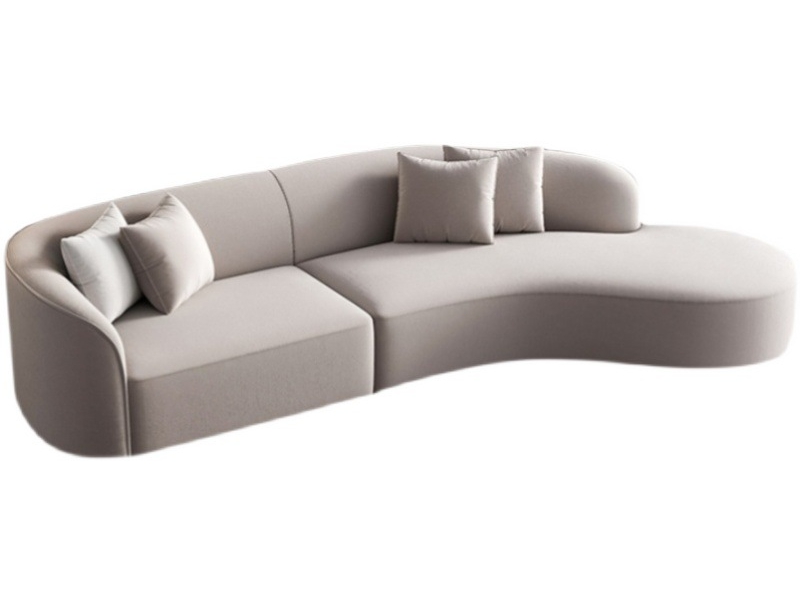
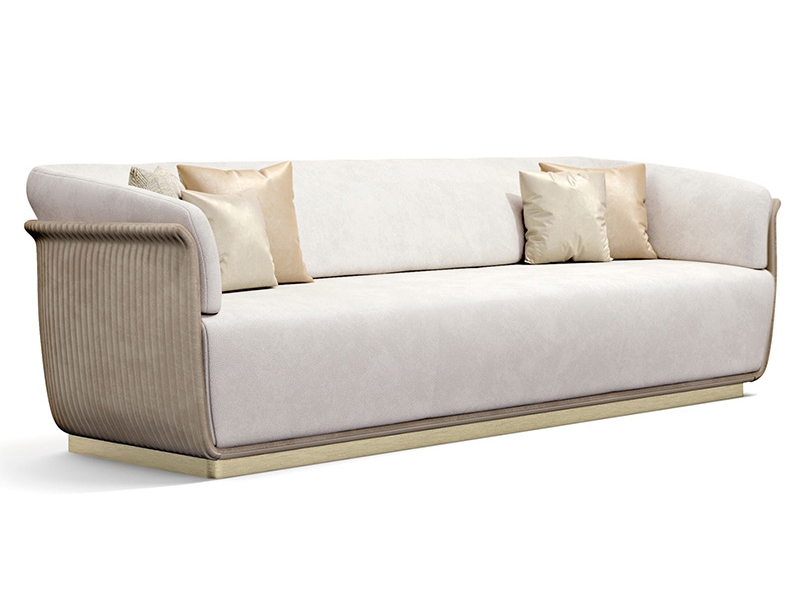
Sofas are usually the visual anchor of hotel lobby furniture. A hotel lobby sofa should not be chosen the same way a home sofa is chosen. In hospitality use, the sofa must hold shape under repeated public use, remain comfortable for short to medium seating periods, and work well in groups with lounge chairs and tables. Seat depth, firmness, upholstery type, base structure, and cleaning practicality all matter. A sofa that looks luxurious but collapses in shape too quickly is a poor investment. A sofa that is overly hard or upright may last structurally but fail to create a welcoming atmosphere. Balance matters.
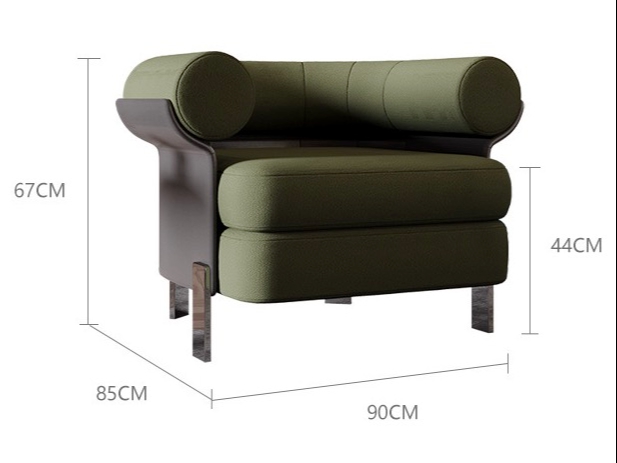
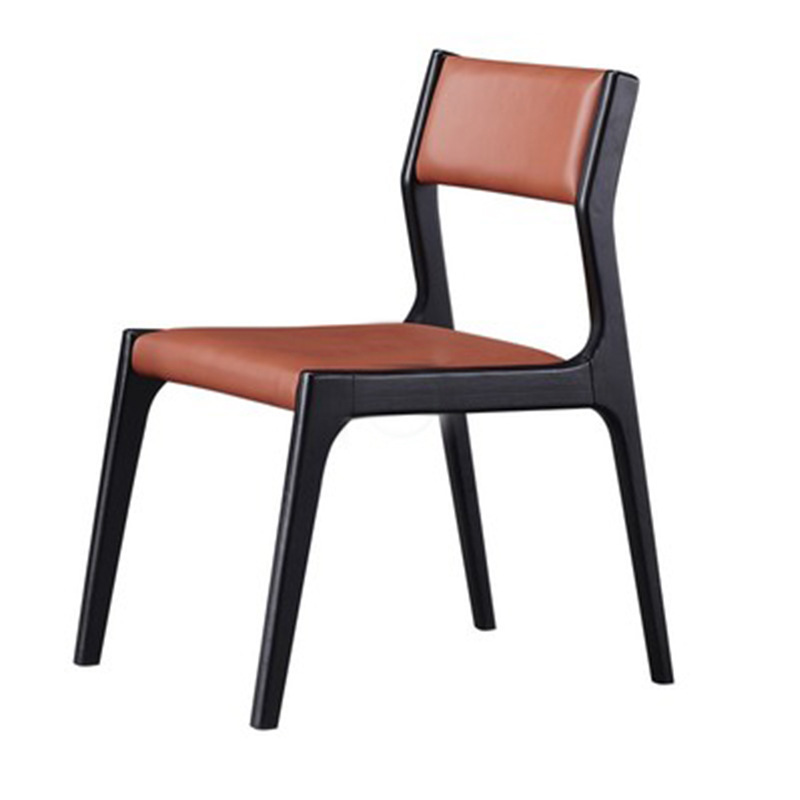
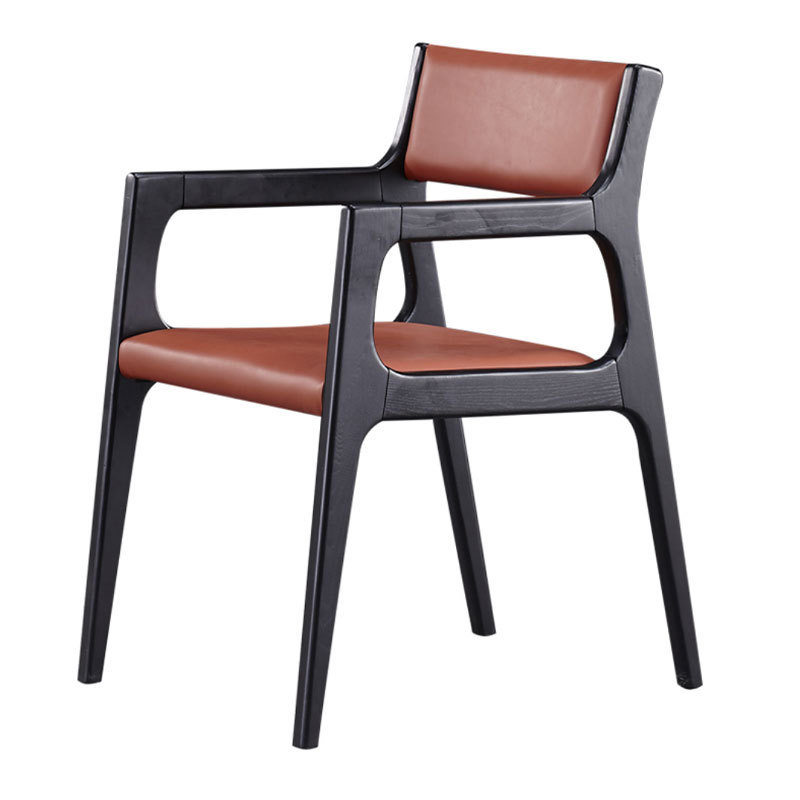
Lounge chairs and accent chairs are equally important because they help shape flexibility in the lobby. Not every guest wants to sit in a large sofa zone. Single chairs or smaller clusters give the space more range and often make it feel more refined. Hotel lobby chairs should be selected for comfort, movement ease, scale, and visual relationship to the sofas. Oversized chairs may waste space, while under-scaled chairs can make the lobby feel weak and unfinished.
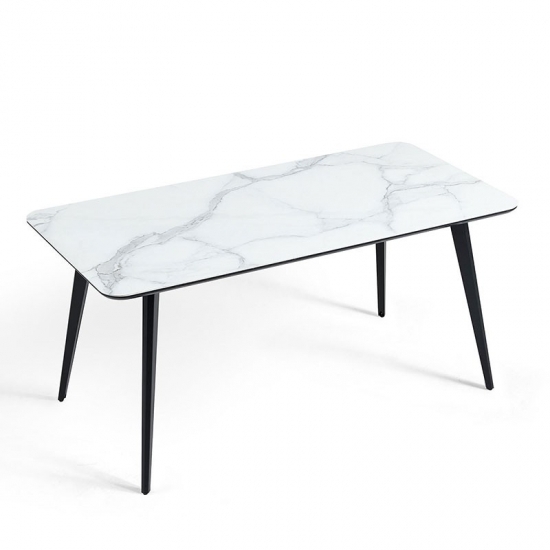
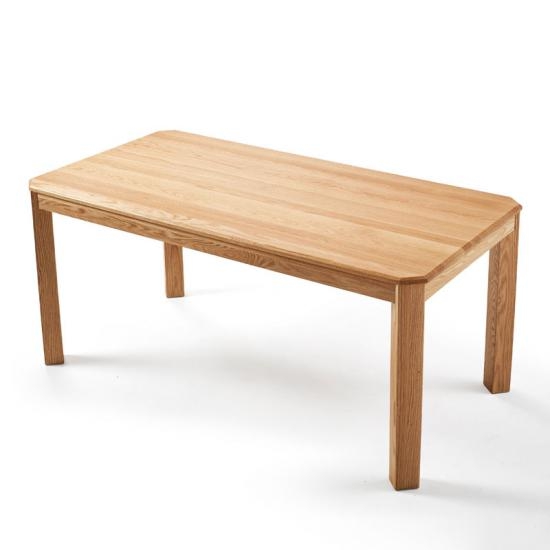
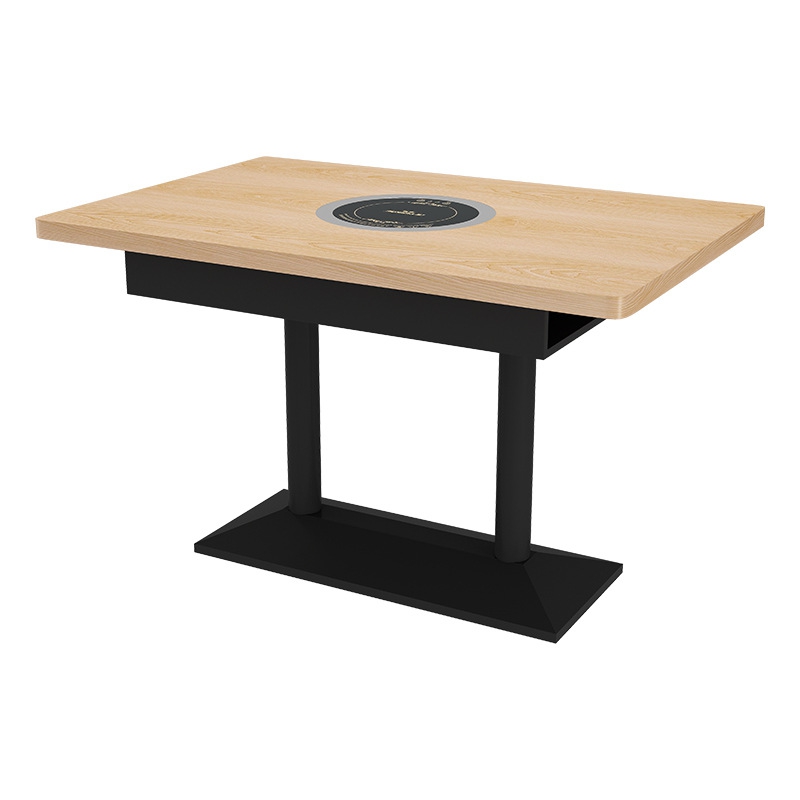
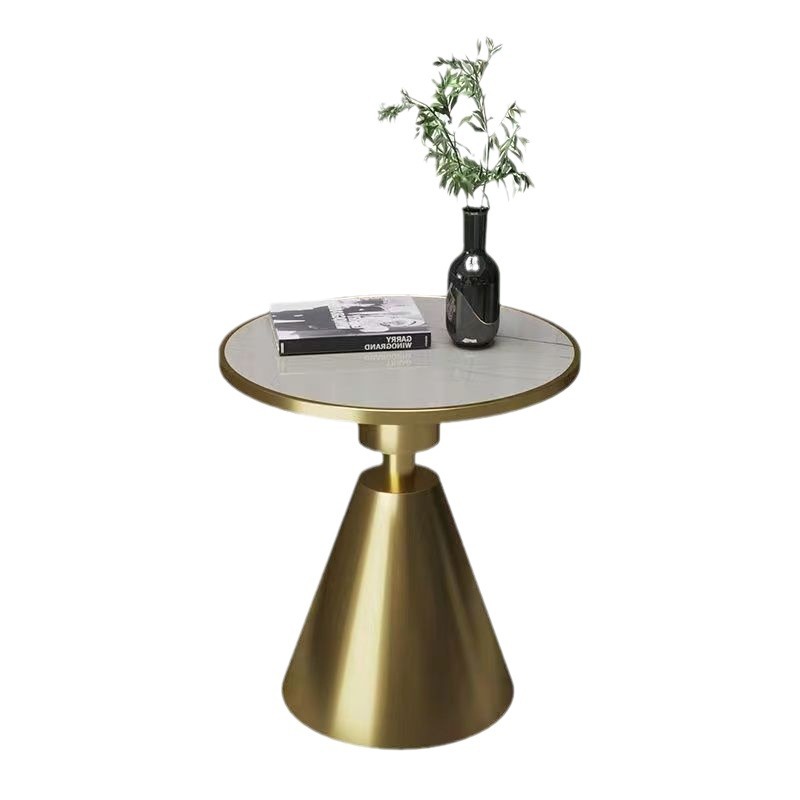
Coffee tables and side tables are more than decorative surfaces. They influence how usable the seating arrangement becomes. If the tables are too low, too small, too fragile, or poorly positioned, the seating cluster feels less practical. In high-use hotel lobbies, table surfaces should be resistant to scratches, stains, moisture marks, and edge damage. This is especially important when guests place bags, drinks, laptops, or personal items on them. Strong table materials and stable construction help the lobby stay presentable under everyday use.
Material choice for hotel lobby furniture deserves careful attention because public spaces age visibly. Upholstery must resist wear and maintain appearance. Metal details should be strong enough for real use, not only visual effect. Wood or wood-look surfaces should be selected for durability and consistency. Stone, sintered tops, or decorative panels may add visual richness, but they also require structural planning and maintenance judgment. Hotel lobby furniture should look good from a distance and still hold up when viewed closely after months of use.
Another major factor is matching the furniture to the hotel’s actual positioning. A business hotel lobby may need a cleaner, more efficient furniture language. A boutique hotel may benefit from more character and custom shapes. An apartment hotel may need a warmer, more residential-feeling public area. The mistake is copying visual references from another property type without asking whether the same furniture logic fits the real guest behavior and operating level of the project.
Durability and maintenance should never be treated as secondary concerns in lobby furniture. Public area furniture is under constant observation. Loose joints, fabric wear, chipped edges, unstable tables, or sagging seating damage the hotel’s image quickly. Unlike guest room furniture, which is partly private, lobby furniture is always exposed. This means weak quality becomes visible faster and affects perception more directly.
In the end, the best hotel lobby furniture supports both first impressions and daily use. It should express the hotel’s character, define the public space clearly, remain comfortable under repeated use, and stay presentable under real operating conditions. Strong lobby furniture is not only decorative. It is strategic. It helps the hotel look more credible, feel more organized, and perform more effectively from the moment a guest walks in.
Related article: Why 3-Star Hotel FF&E Orders Go Wrong Before Production