Custom Hotel Furniture: When It Is Worth It and When It Is Not
Publish Time: 2026-04-17
Custom hotel furniture is often presented as the ideal solution for hospitality projects. It sounds flexible, professional, and design-driven. In many cases, it is exactly that. But in real procurement, custom hotel furniture is not automatically the smarter choice. Sometimes it creates strong commercial value. Sometimes it adds cost, slows the schedule, and complicates execution without giving the hotel enough practical return. The key is knowing when customization serves the project and when it only satisfies a short-term design impulse.
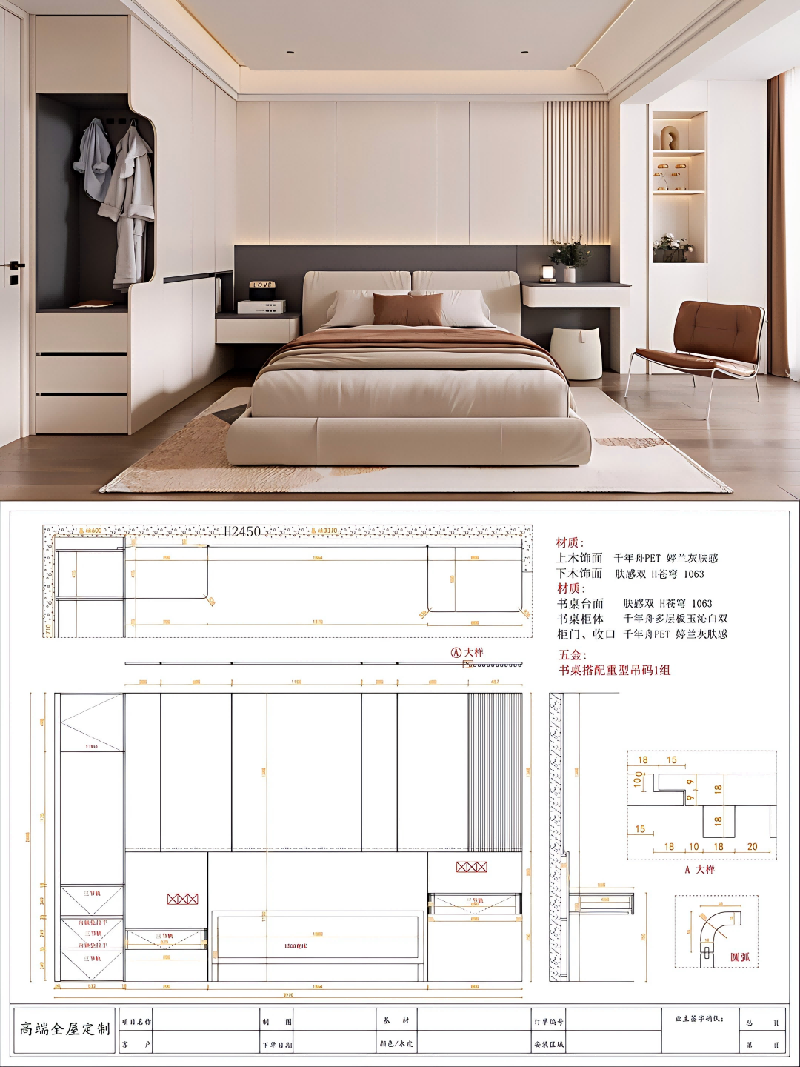
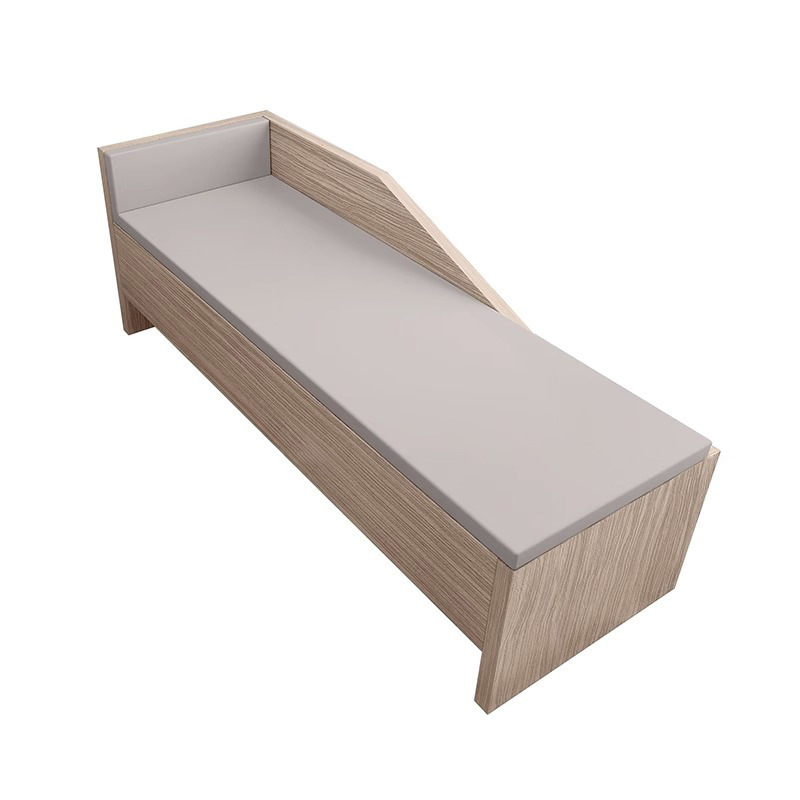
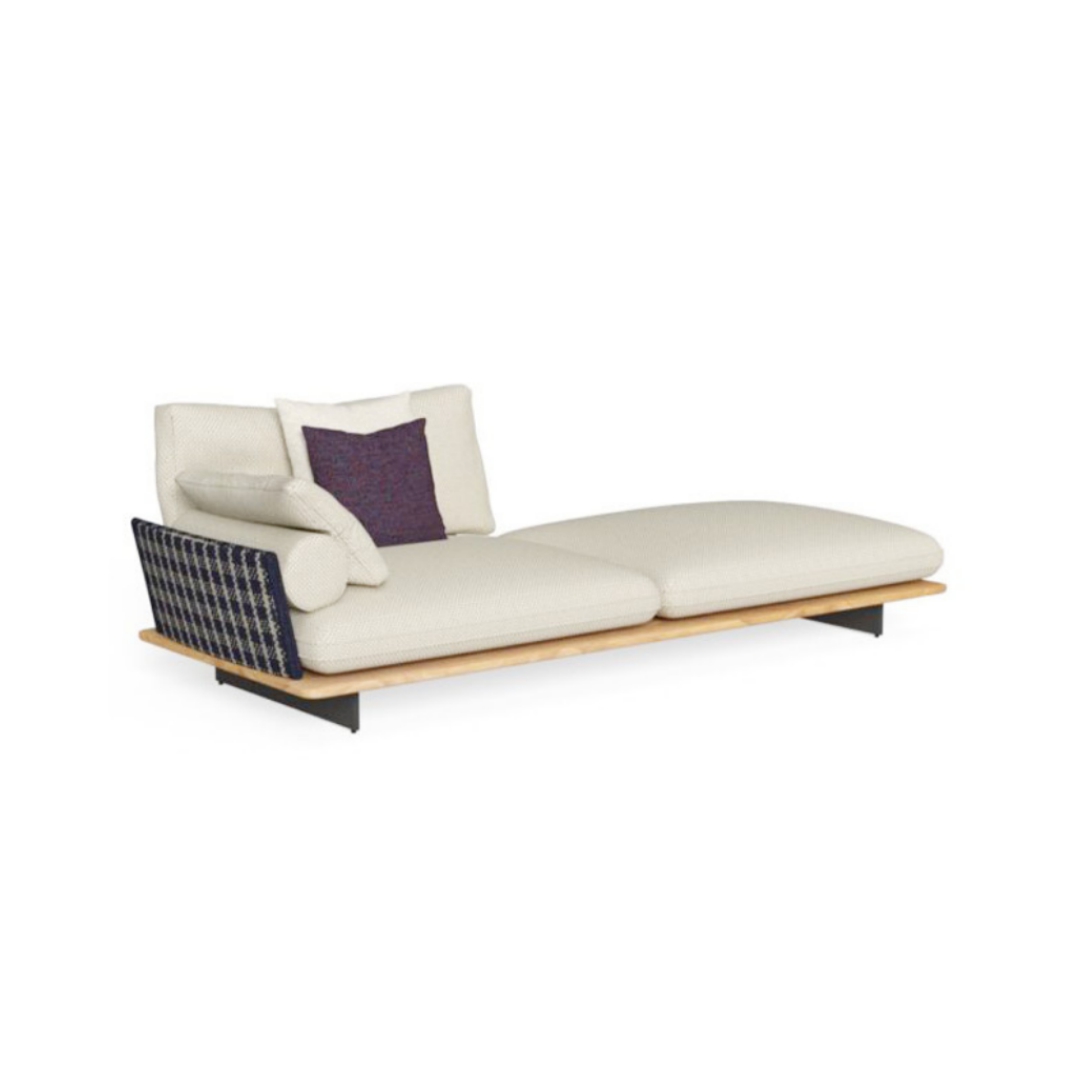
The first reason custom hotel furniture can be worth it is spatial fit. Hotels rarely operate like standard residential apartments. Room sizes vary, circulation is tight, luggage placement matters, cleaning access matters, and furniture often needs to work around power points, lighting positions, minibar space, or fixed architectural details. In these cases, standard furniture sizes may not fit well. A desk may be too deep, a wardrobe may block movement, a bedside table may not align with the bed wall, or a sofa may overwhelm a small suite. Custom hotel furniture solves this by adjusting dimensions to match the actual room layout. When a project is space-sensitive, customization is not a luxury decision. It is a practical one.
The second reason customization makes sense is operational alignment. Hotels are not buying furniture only for visual effect. They are buying furniture to support cleaning, guest use, maintenance, and repeated turnover. A custom vanity can be designed to allow easier housekeeping access. A custom luggage bench can be sized for real suitcase use rather than decorative balance. A custom headboard can integrate lighting, switches, and finish continuity more cleanly than a standard off-the-shelf piece. A hotel desk can be designed with the right cable access, drawer layout, or chair clearance. These are not cosmetic changes. They affect how the room functions every day after opening.
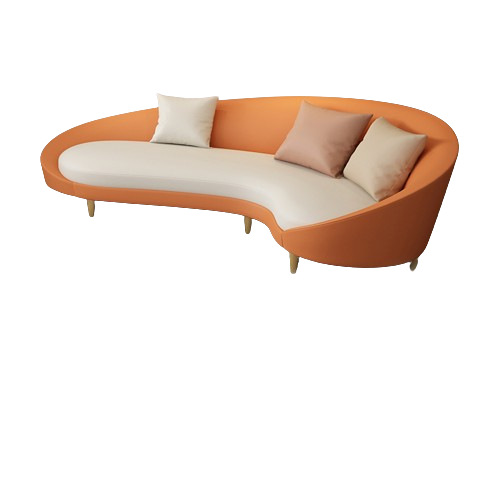
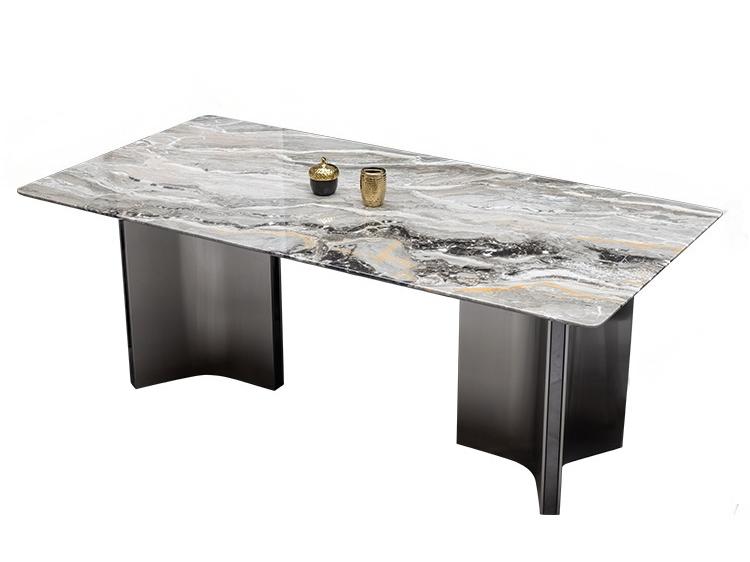
Brand positioning is another area where custom hotel furniture may be worth the cost. In boutique hotels, design hotels, and branded hospitality concepts, furniture helps define the identity of the property. A standard market product may be acceptable in low-differentiation projects, but it often cannot support a stronger design narrative. Custom hotel lobby furniture, restaurant banquettes, signature beds, accent tables, or reception counters can become part of the guest memory of the property. In those cases, the design value is commercially relevant because it contributes to image, positioning, and pricing power.
However, customization is not always a good decision. One of the biggest mistakes buyers make is customizing too many items without a clear reason. If the hotel is a budget property, a business hotel, or an apartment hotel focused mainly on cost control and fast rollout, then over-customization often creates waste. Custom development takes more drawing time, more confirmation cycles, more prototype risk, and more production coordination. If the final result looks only slightly different from a standard commercial model, the extra cost may not be justified. In that case, buyers would be better off selecting stable standard items or semi-custom products with limited modifications.
Lead time is one of the strongest arguments against unnecessary customization. Custom hotel furniture usually requires detailed drawings, material confirmation, sometimes mockups or samples, and repeated buyer approval. Every one of those steps adds time. In projects with tight opening schedules, customization can become a hidden source of delay. The problem is not only factory production time. The bigger issue is decision time. The more custom points a buyer introduces, the more opportunities there are for uncertainty, revision, and disagreement. A project that could have moved quickly with standard casegoods and proven upholstery models can become slow and fragile if every item is redesigned.
Budget structure should also be considered realistically. Buyers sometimes assume that all custom hotel furniture is expensive, but that is not always true. Some custom items are cost-efficient because they are built exactly for the project and avoid unnecessary retail features. At the same time, some custom designs look simple but are expensive to produce because of special materials, awkward proportions, curved components, unusual metalwork, or complex installation conditions. The right way to judge customization is not by the word “custom.” It is by whether the design change produces useful project value relative to its cost.
Another issue is repeatability. Hotels usually order in quantity. That means even a small design weakness gets multiplied across many rooms. A custom bedside table that looks elegant in a drawing may become unstable in real production. A custom chair with a thin visual frame may look sharp in renderings but fail under hospitality use. A custom sofa detail may increase sewing difficulty and create inconsistency across batches. This is why buyers should not pursue custom hotel furniture based only on appearance. The design has to survive factory production, shipping, installation, and years of use.
A more balanced strategy is often the best one. In many projects, the smartest procurement model is not fully standard or fully custom. It is selective customization. Core pieces such as wardrobes, headboards, desks, vanities, and certain lobby elements may be customized to fit the design and spatial logic of the hotel. Meanwhile, lower-risk items such as some chairs, side tables, or loose furniture can use existing commercial models with finish adjustments. This approach gives the project design identity where it matters most while protecting cost and lead time where customization adds limited value.
The supplier’s ability also matters. A good custom hotel furniture manufacturer should help the buyer distinguish between useful customization and costly over-design. They should warn against fragile structures, impractical finishes, and details that may look expensive but deliver little operational value. A weak supplier will simply agree to everything and leave the project to absorb the consequences later. Real value in custom hotel furniture comes not only from making something unique, but from making something unique that still works.
In the end, custom hotel furniture is worth it when it solves real spatial problems, supports brand positioning, improves function, or creates meaningful design value that standard products cannot achieve. It is not worth it when it adds cost, delay, and production risk for only minor visual difference. Buyers should treat customization as a strategic tool, not a default habit. When used correctly, it strengthens the project. When used carelessly, it weakens it.