Suite' Deals, Grand Designs - Your One-Stop Shop from Lobby to Loo!
+86 18924804985
Language
  •  
News & Insights

Home/News & Insights

Top 7 Sustainable Materials for Hotel Furniture Procurement in 2026 Publish Time: 2025-12-18

Sustainable hotel furniture is no longer limited to luxury resorts. In 2026, more 3-star, 4-star, serviced apartment, and resort projects are choosing greener FF&E materials to meet regulations, reduce lifecycle costs, and improve guest experience. 

For overseas hotel owners, contractors, and procurement teams, material selection affects not only appearance but also durability, maintenance cost, fire safety, VOC emissions, and export compliance. As a China-based hotel furniture and FF&E supplier, STL Hotel Furnishing works with hotel projects that require practical, cost-controlled, and project-ready material solutions.

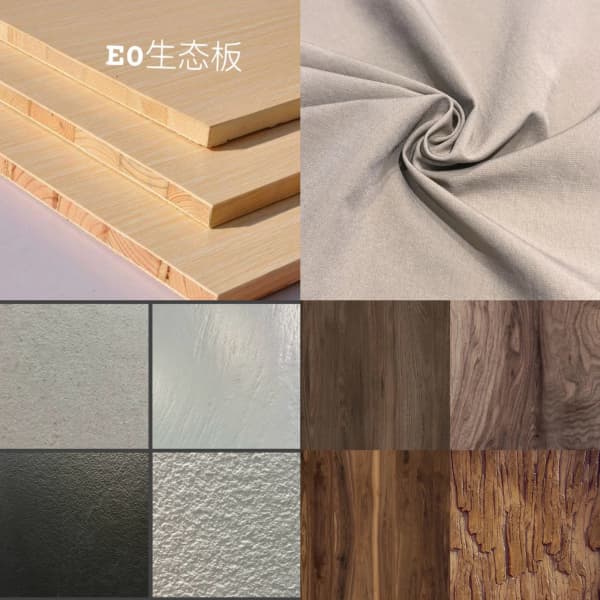
Eco-friendly materials for hotel furniture procurement including E0 panels, recycled fabrics, water-based coatings, FSC wood, and powder-coated metal

1. E0/E1 Engineered Wood Panels.
E0 and E1 engineered wood panels are widely used in hotel wardrobes, desks, headboards, wall panels, and fixed furniture. Compared with solid wood, they offer better cost control, stable structure, and easier mass production for hotel projects. For overseas procurement, lower formaldehyde emission levels also help hotel owners meet indoor air quality expectations and local compliance requirements.

2. Recycled Fabric Upholstery.
Recycled polyester and other recycled upholstery fabrics are increasingly used for hotel chairs, sofas, headboards, and public-area seating. For hotel projects, these fabrics can provide good abrasion resistance, stable color options, and easier maintenance while supporting environmental goals. They are especially suitable for guestroom furniture, lobby furniture, and restaurant seating where durability and cleaning performance are important.

3. Water-Based Coatings.
Water-based coatings help reduce VOC emissions compared with traditional solvent-based finishes. They are commonly used on wooden hotel furniture, veneer surfaces, cabinet panels, and decorative components. For hotel rooms and serviced apartments, lower-emission finishes can contribute to a healthier indoor environment while still offering practical protection against daily use.

4. FSC-Certified Solid Wood.
FSC-certified solid wood can be used selectively in high-touch or visible areas such as armrests, table edges, chair frames, decorative legs, and premium furniture details. For most hotel projects, solid wood is often combined with engineered panels to balance appearance, cost, stability, and production efficiency. This approach allows hotels to improve material value without making the entire furniture package too expensive.

5. Metal Frames With Powder Coating.
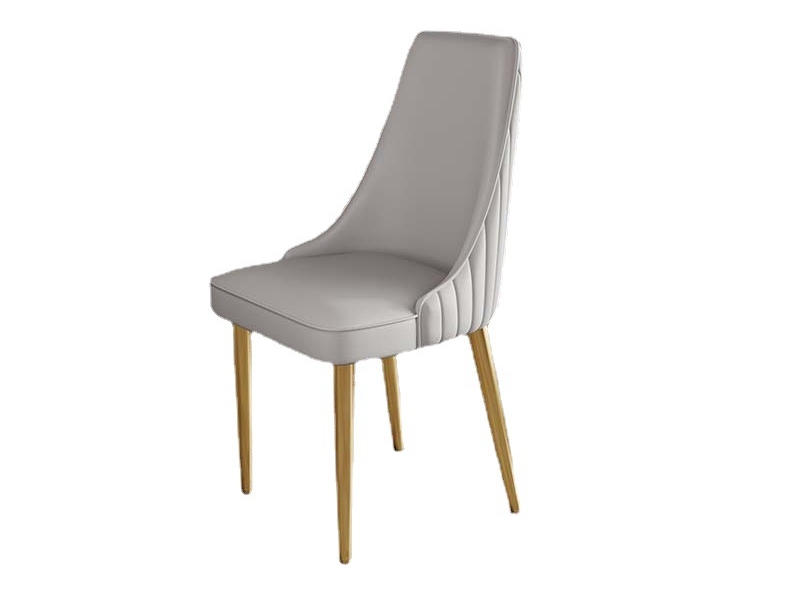
Powder-coated metal frames are widely used in hotel dining chairs, lobby furniture, restaurant tables, outdoor furniture, and public-area seating. The finish provides strong surface protection, a wide color range, and better resistance to daily wear. Compared with some traditional finishing methods, powder coating can also reduce environmental impact while supporting long-term durability in commercial hotel use.

6. Low-VOC Adhesives and Upholstery Materials.
Low-VOC adhesives and carefully selected upholstery materials help reduce indoor emissions in hotel rooms and public areas. For hotel furniture procurement, these materials are especially important in headboards, wall panels, sofas, chairs, and other items used in enclosed guestroom spaces.

7. High-Durability Laminates.
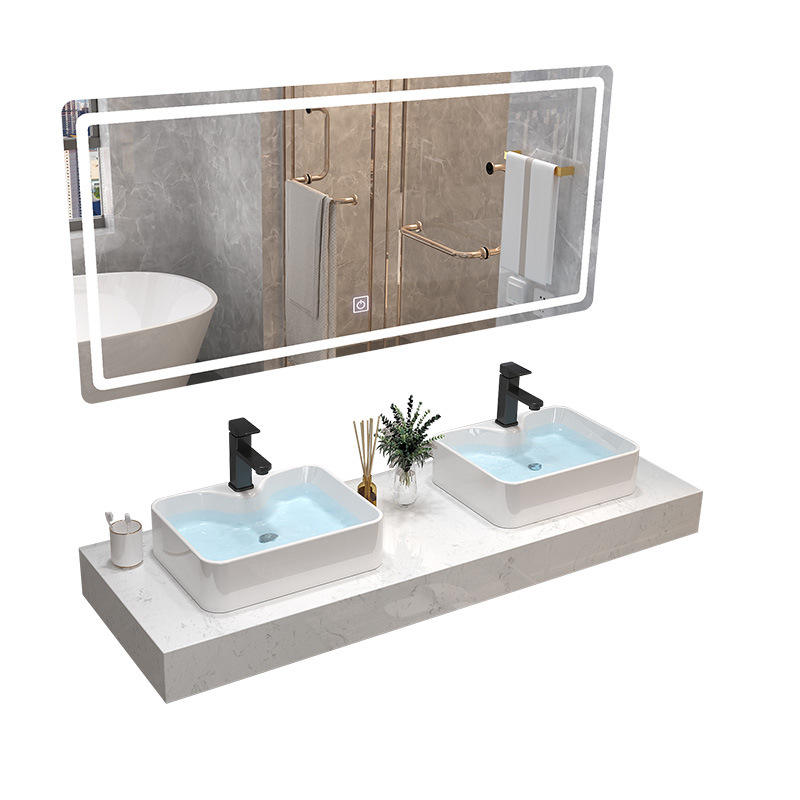
High-durability laminates, compact laminates, TFL, and engineered stone surfaces can imitate wood, stone, or solid colors while reducing cost, weight, and maintenance difficulty. They are commonly used for hotel desks, wardrobes, cabinet doors, restaurant tables, vanity tops, and high-traffic public area furniture.

By choosing practical sustainable materials early in the procurement process, hotel owners and contractors can reduce replacement risk, improve indoor comfort, and keep furniture packages aligned with project budget and compliance requirements.

How STL Hotel Furnishing Supports Hotel Furniture Procurement 

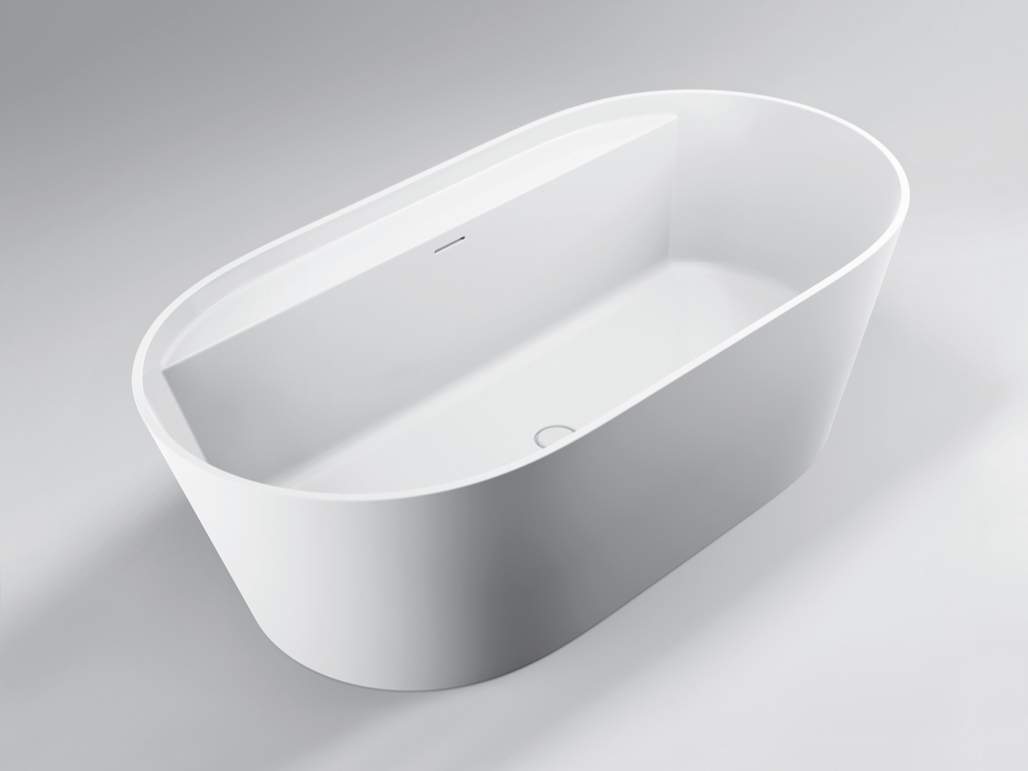
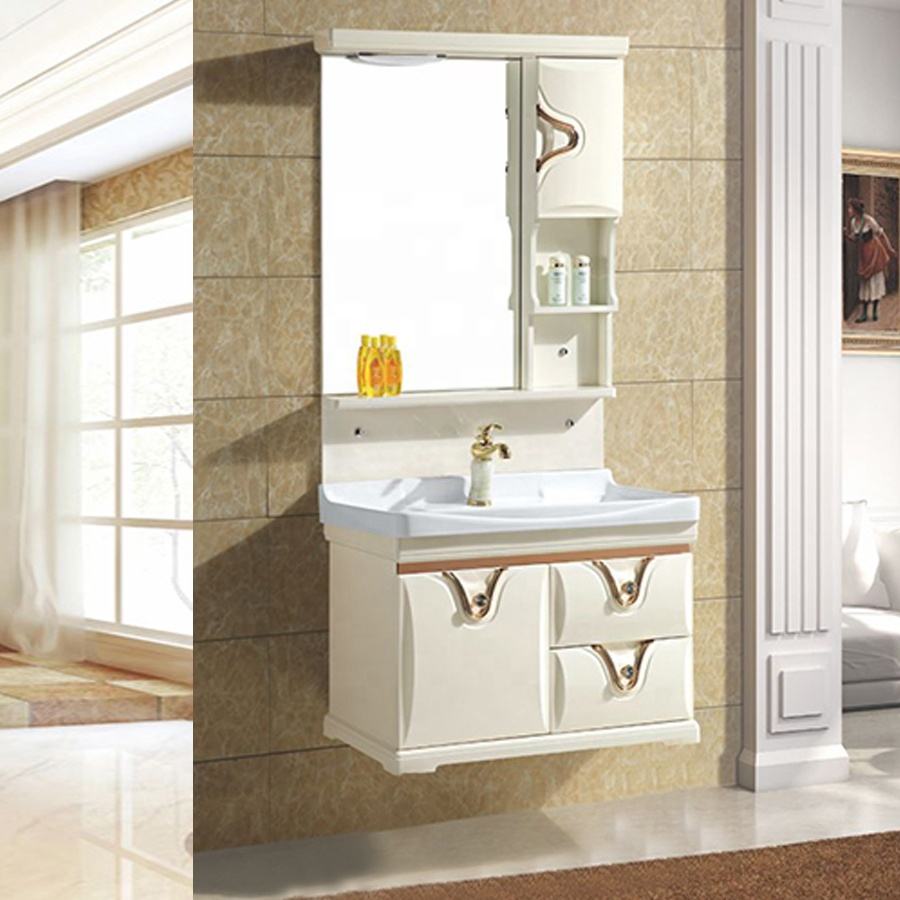
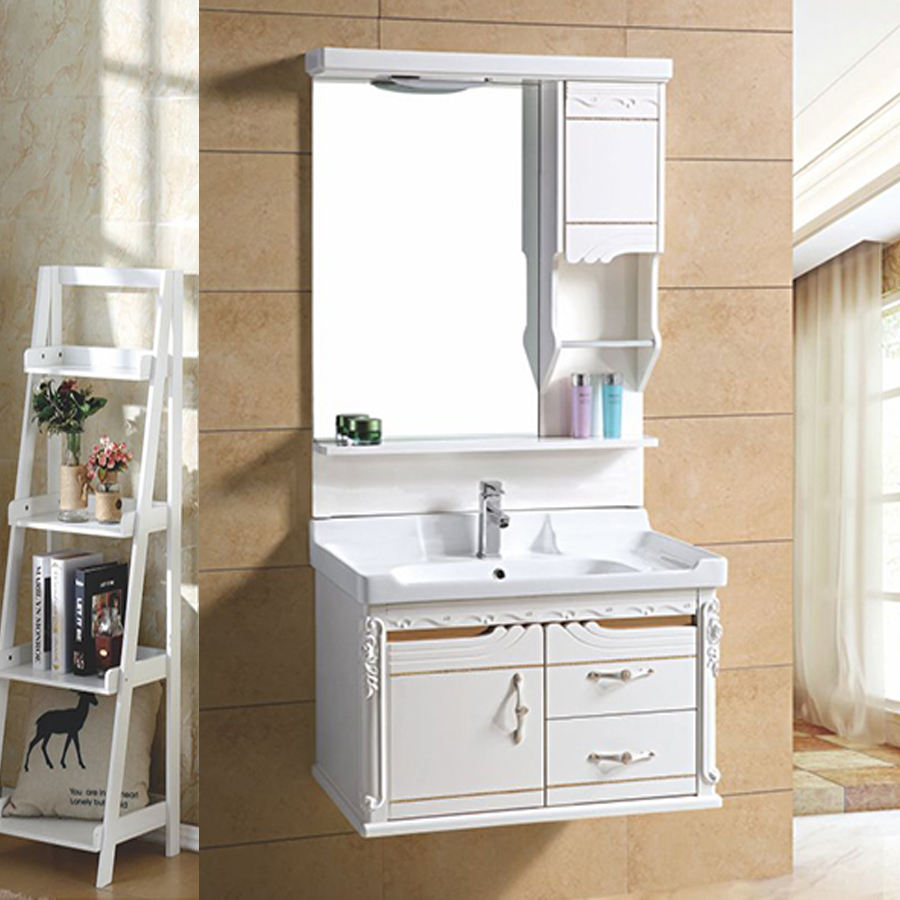
Material selection is only one part of hotel furniture procurement. For overseas hotel projects, buyers also need stable production, sample confirmation, shop drawing coordination, packaging control, export documentation, and clear communication before shipment. STL Hotel Furnishing supports hotel owners, contractors, designers, and procurement companies with custom hotel furniture, fixed furniture, loose furniture, lighting, sanitary ware, and related FF&E supply from China. 

For 3-star hotels, serviced apartments, resort projects, and renovation projects, STL focuses on practical material choices that balance durability, cost control, lead time, and long-term maintenance.


FAQ 

What materials are commonly used in sustainable hotel furniture? 

Common options include E0/E1 engineered panels, FSC-certified wood, recycled upholstery fabrics, water-based coatings, powder-coated metal, low-VOC adhesives, HPL, compact laminate, and sintered stone. 

Are eco-friendly materials suitable for 3-star and 4-star hotel projects? 

Yes. Many sustainable materials are now practical for mid-scale hotel projects because they provide durability, easier maintenance, lower emissions, and better long-term cost control. 

Can STL Hotel Furnishing supply custom hotel furniture with sustainable material options? 

Yes. STL Hotel Furnishing supports custom hotel furniture, fixed furniture, loose furniture, and FF&E supply with material options based on project budget, hotel positioning, durability requirements, and export standards.

Why does material selection matter in hotel furniture procurement?

Material selection affects cost, durability, fire safety, maintenance, indoor air quality, packaging, and long-term hotel operation. For overseas hotel projects, confirming suitable materials early can reduce production risk, avoid unnecessary replacement costs, and make communication between owners, contractors, designers, and suppliers more efficient.