How to Plan Hotel Room Furniture for 3-Star and Business Hotels
Publish Time: 2026-04-20
Planning hotel room furniture for 3-star and business hotels requires a different mindset from designing for luxury properties or boutique concept hotels. The goal is not to create the most dramatic space. The goal is to create a room that works well, looks clean and professional, feels comfortable to guests, and remains commercially efficient over time. In this segment of the market, furniture has to support value. It must help the hotel operate smoothly, control cost, and deliver a standard that guests consider dependable and appropriate. That balance is not automatic. It has to be planned carefully.
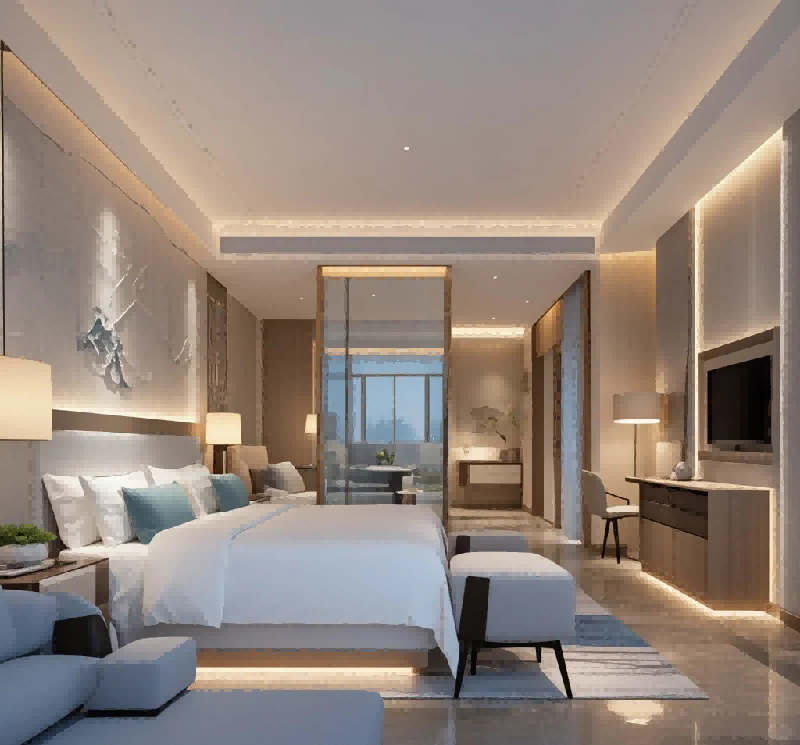
The first principle in 3-star and business hotel room furniture planning is clarity of function. Every piece should earn its place. Many mid-range hotel projects make one of two mistakes: either they under-furnish the room and make it feel incomplete, or they add too many pieces and make the room feel crowded. Business and 3-star guests do not necessarily expect luxury, but they do expect usability. A stable bed, proper bedside support, a practical desk, a useful chair, workable storage, and an organized luggage position are usually more important than decorative complexity. The room should feel straightforward, not empty and not overloaded.
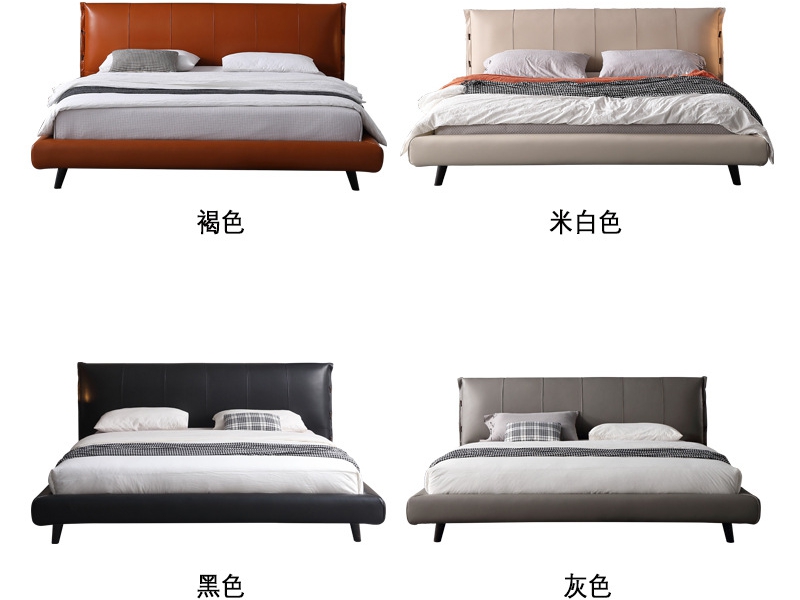
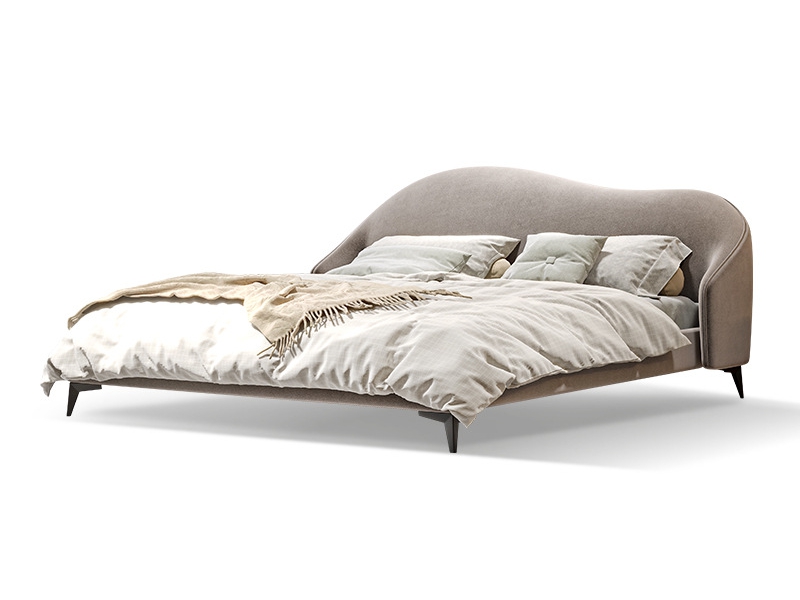
Bed design is still the priority because it defines both guest comfort and visual focus. For 3-star and business hotels, the bed should be sturdy, easy to maintain, and visually consistent with the overall room style. Overly complicated bed structures may raise cost without adding commercial value. A simpler upholstered or panel-style headboard often works well if the proportions are correct and the construction is reliable. The finish should look clean and modern but also be easy to maintain over time. This market segment rewards furniture that feels solid and sensible.
The bedside area should also be planned with realism. Guests need somewhere to place phones, chargers, glasses, and personal items. Even in compact rooms, bedside furniture must remain practical. In twin rooms or double rooms, symmetry often helps the room feel ordered and professional. In smaller business hotel layouts, more compact bedside tables can work, but they should not become so small that they lose daily usefulness. These details seem minor, but they affect the guest’s experience every night.
A desk is especially important in business hotel furniture planning. Even if many guests do not work for long periods in the room, they still use the desk for laptops, food, documents, or device charging. For this reason, the desk should not be treated as an afterthought. It should have enough depth for real use and enough clearance for the chair to function properly. If the room is small, the desk may need to integrate with a TV panel, vanity, minibar zone, or luggage storage area. Good business hotel furniture planning often comes from combining functions efficiently rather than adding separate pieces for every task.
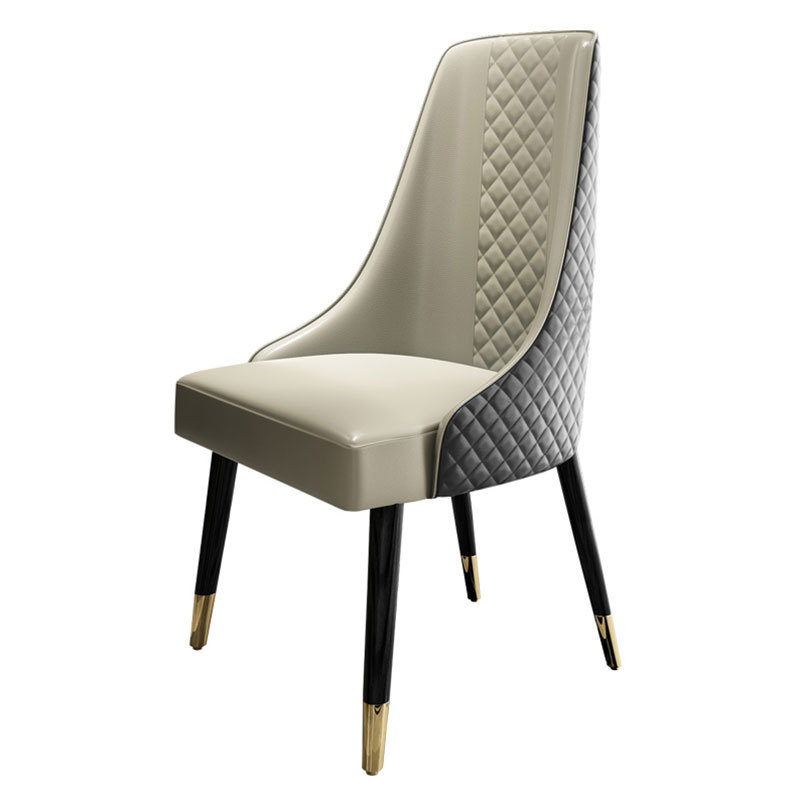
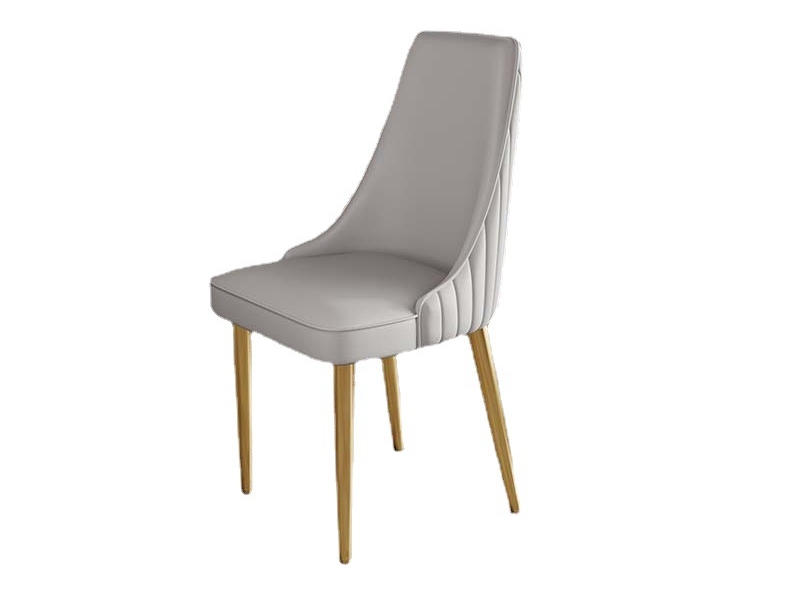
The choice of chair also deserves more attention than it usually receives. In a 3-star or business hotel room, the chair should be comfortable enough for short periods, durable enough for constant use, and easy for housekeeping staff to move and clean around. A chair with a stylish shape but weak structure is a poor fit for this segment. Likewise, an oversized lounge chair may look generous in a showroom but waste too much room area in practice. In many business hotel rooms, a single well-designed multi-use chair is more effective than trying to add both task seating and decorative seating.
Storage planning should reflect how guests actually behave. A wardrobe or open hanging system should allow easy access to clothing, baggage, and basic in-room items. In this market segment, many hotels can benefit from more efficient storage design rather than heavier cabinetry. Open hanging options, integrated shelves, safe positions, and luggage-friendly layouts often work better than large enclosed units that consume too much space. The furniture should support short to medium stays without overbuilding.
Durability is especially important in 3-star and business hotels because these properties often run on tight operating structures and high occupancy expectations. Furniture replacement and repair create direct pressure on profit. This means the planning stage should focus heavily on materials and construction. Laminate surfaces, durable upholstery, reinforced chair frames, stable bed bases, practical edge protection, and reliable hardware usually matter more than visual complexity. Guests in this segment are quick to notice when furniture feels weak, unstable, or worn. They may not expect luxury finishes, but they do expect furniture that feels dependable.
Cost control should be handled intelligently rather than aggressively. The best mid-range hotel room furniture planning is not about pushing every item to the lowest cost. It is about deciding where the budget has real impact. The bed, desk, chair, storage system, and frequently touched surfaces deserve stronger attention. Decorative add-ons, unnecessary special shapes, and difficult custom details often do not. A disciplined furniture plan can create a room that feels clean, modern, and commercially strong without pretending to be a luxury product.
Another important point is repeatability. 3-star and business hotels often work with many similar rooms. This means the furniture solution must be easy to produce consistently and easy to manage during installation. Over-customization may complicate production without helping the project. In many cases, semi-custom or carefully standardized hotel room furniture performs better than highly individualized pieces. The room benefits more from strong overall consistency than from isolated design gestures.
In the end, hotel room furniture for 3-star and business hotels should be planned around function, durability, space efficiency, and commercial discipline. The room does not need to impress through excess. It needs to work well and feel dependable. A clear bed layout, practical bedside support, a functional desk, sensible seating, efficient storage, and durable materials create a stronger guest experience than decorative ambition without substance. For this part of the market, smart furniture planning is often what protects both guest satisfaction and operating profit.