How to Choose the Right Hotel Furniture Supplier for Your Project
Publish Time: 2026-04-15
Choosing the right hotel furniture supplier is one of the most important decisions in any hospitality project. Many buyers think the process starts and ends with price comparison, but in real hotel procurement, price is only one part of the picture. A supplier may offer an attractive quotation, but if they cannot control quality, manage project details, or deliver on time, the actual cost to the buyer becomes much higher. Delays, rework, missing items, finish inconsistency, damaged goods, and poor coordination often create losses that are far more serious than a slightly higher unit price.
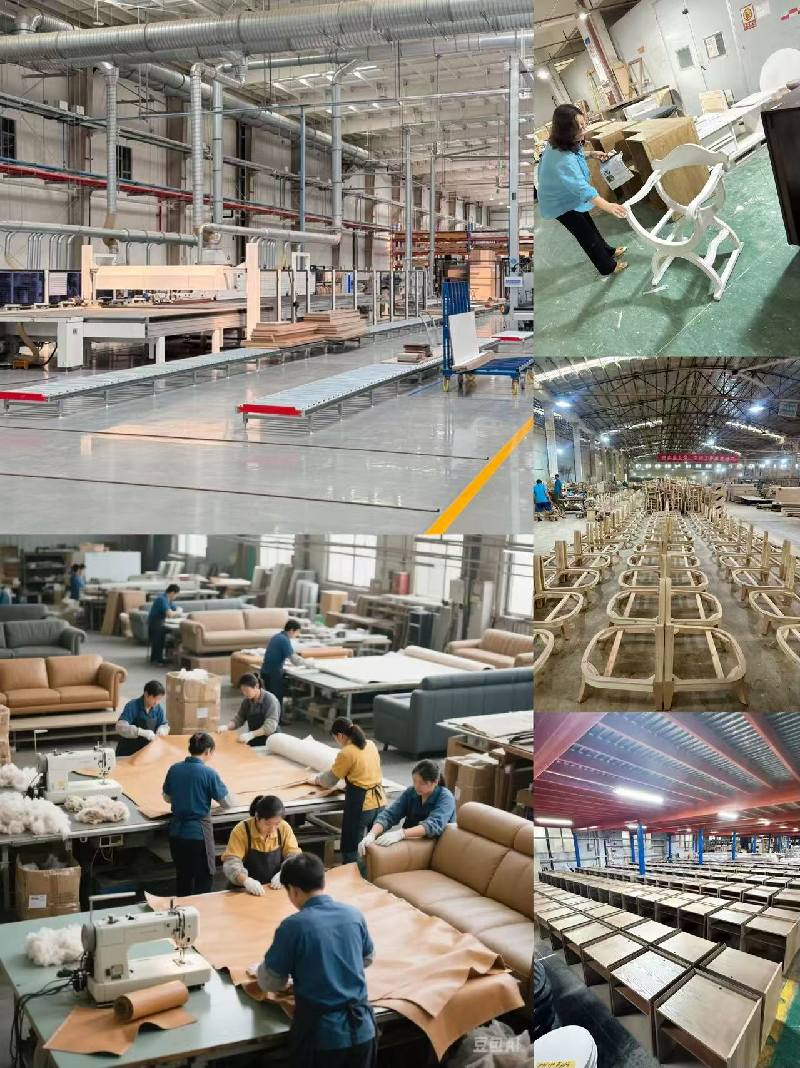
A professional hotel furniture supplier should first be judged by whether they truly understand project supply. Hotel furniture is not the same as household furniture, and hotel procurement is not the same as placing a simple bulk order for standard products. In a hotel project, furniture must match the room layout, the design language, the operation level of the hotel, the expected budget, and the real use conditions after opening. Guest room furniture, hotel lobby furniture, restaurant furniture, apartment hotel furniture, and public area furniture all serve different functions and take different levels of daily wear. A supplier that only focuses on making products look good in photos is usually not enough for hospitality work. A true hotel furniture supplier must think beyond appearance and consider durability, construction details, finish stability, maintenance difficulty, packing safety, and delivery sequence.
The second factor is production and supply chain control. Many suppliers say they can provide one-stop hotel furnishing solutions, but buyers should look at what that really means. Some manufacturers produce core furniture in-house and source lighting, sanitary ware, tiles, mirrors, or decorative items through partner factories. This model can work well, but only if the supplier has real control over the partner network. A weak supplier often becomes only a middle point between the buyer and many disconnected vendors. That creates problems in finish matching, schedule control, packing standards, and after-sales responsibility. A stronger supplier knows exactly which items are made in-house, which items are outsourced, who manages the standards, and how quality is checked before loading.
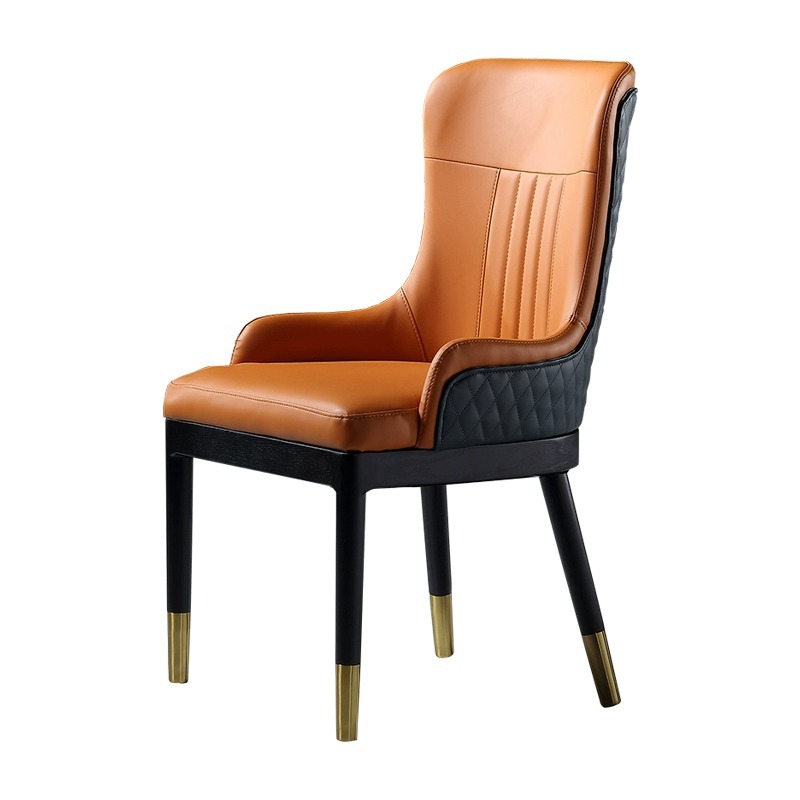
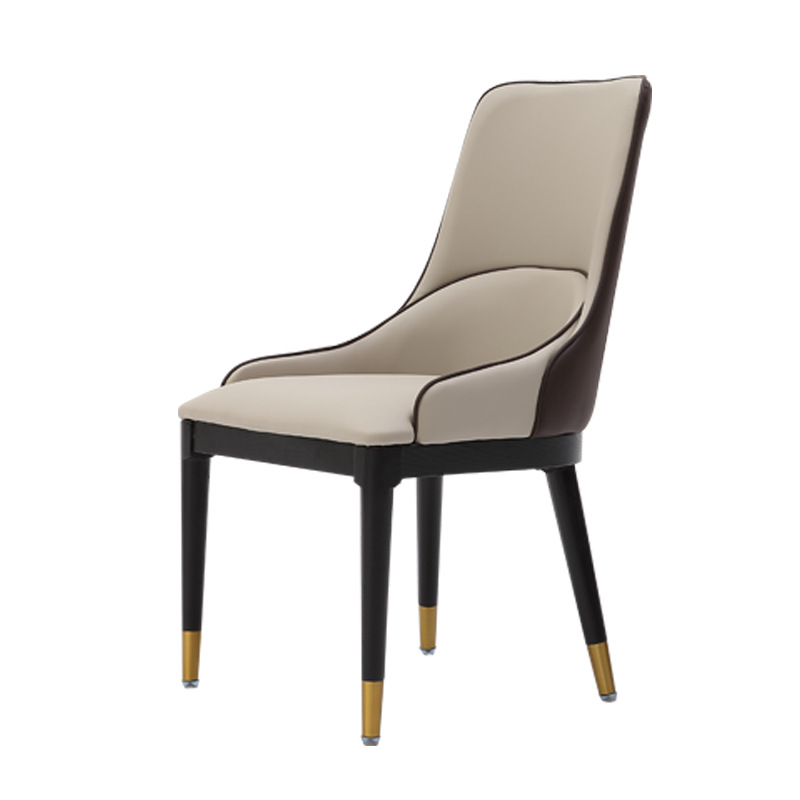
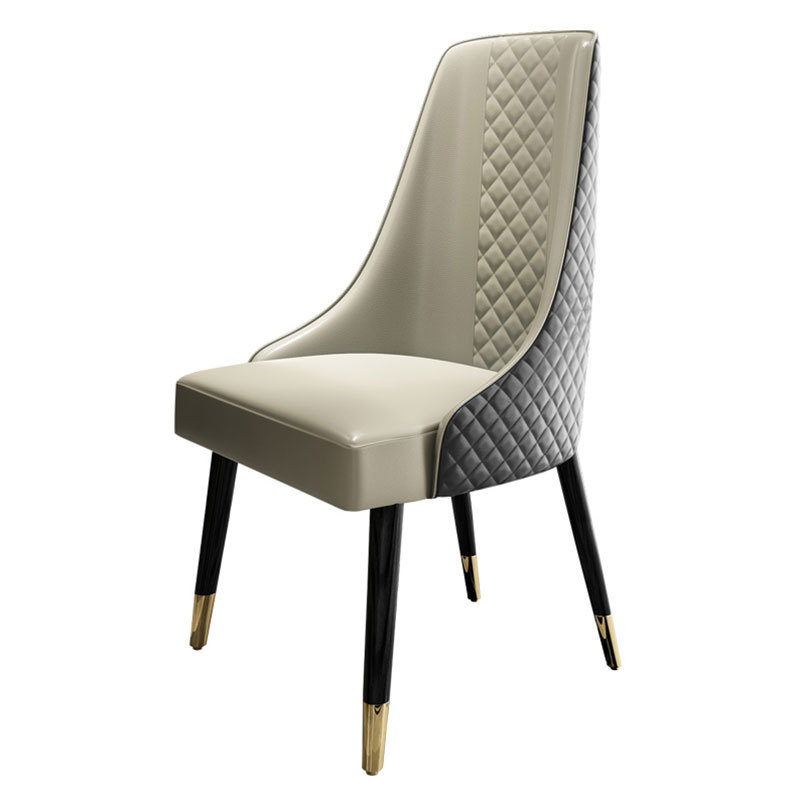
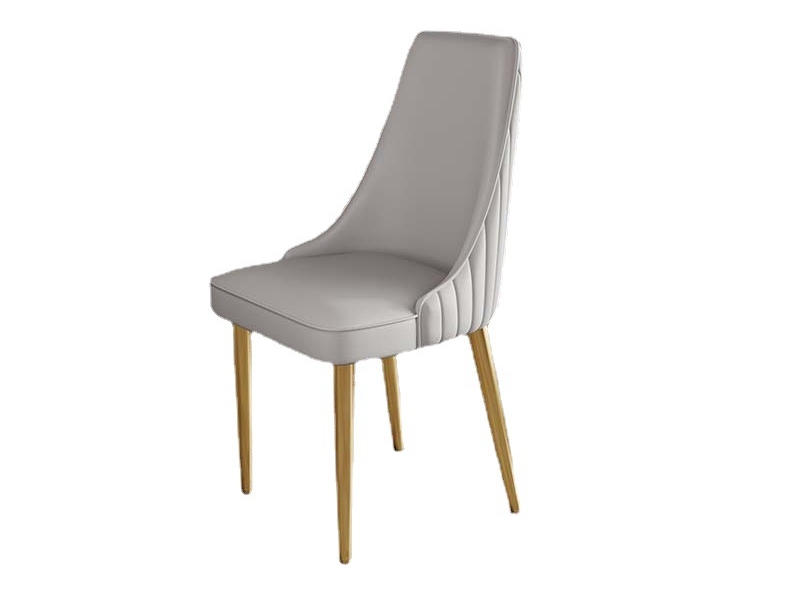
Project experience is another key point that cannot be replaced by sales language. Buyers should ask for completed hotel cases, not just product catalogues. A reliable hotel furniture manufacturer should be able to show real hospitality projects, room sets, public area applications, packing photos, and production details. This matters because hotel projects have specific practical demands. For example, a bedside table for a hotel room may need better edge protection and more stable construction than a similar product used in a residential apartment. A hotel sofa in a lobby needs to handle frequent use, repeated cleaning, and constant public contact. A dining chair in a breakfast area needs to balance appearance, comfort, stain resistance, and structural strength. Suppliers with real project experience usually speak more clearly about these issues because they have already faced them.
Communication quality often determines whether a project remains under control. Many problems in international hotel procurement do not start in the factory. They start in unclear communication. When drawings are incomplete, dimensions conflict, material descriptions are vague, or site conditions are not fully confirmed, weak suppliers often proceed without raising questions. Later, those hidden issues become production errors or site installation problems. A good hotel furniture supplier should ask clear questions early, especially during quotation and drawing review. They should identify missing information, finish conflicts, unrealistic dimensions, and weak technical points before production begins. This is not a sign that the supplier is difficult. It is often a sign that the supplier is experienced enough to see risk in advance.
Quality control must also be judged by process, not promises. Buyers should ask how the supplier controls material inspection, veneer tone consistency, hardware selection, upholstery workmanship, finish approval, dimension checks, and packing protection. In hotel furniture projects, the most common quality failures are not always major structural disasters. Many times, the damage comes from repeated smaller failures: color variation between batches, unstable chairs, chipped corners, poor stitching, weak drawer slides, veneer cracking, or packaging that cannot survive sea transport. A reliable hotel furniture manufacturer should have inspection steps before shipment and should be willing to show that process. It is not enough to say the products are good. The supplier must be able to explain how that quality is kept stable across dozens or hundreds of pieces.
Lead time management is another place where buyers often make wrong judgments. The supplier who says yes to every schedule is not always the safest choice. Hotel projects involve more than production days. There are material confirmations, drawing approvals, sample adjustments, packing, container planning, shipping time, customs clearance, and site readiness. Any one of these can affect the final schedule. A reliable hotel furniture supplier should not simply give the buyer the answer they want to hear. They should explain what timeline is realistic, what decisions must be locked early, which items are critical path items, and where delays usually happen. This kind of honesty may sound less aggressive during quotation, but it protects the project later.
Buyers should also pay close attention to how the supplier handles responsibility. In many hotel projects, problems do not come from one dramatic failure but from many small areas where nobody is clearly taking ownership. A mature supplier should understand how to manage room lists, item coding, finish schedules, packing labels, and shipment batches in a structured way. They should know that hotel procurement is not just about selling furniture. It is about keeping a large number of details aligned so that design intent, project budget, delivery timeline, and on-site execution do not fall apart halfway.
In the end, the right hotel furniture supplier is not simply the one with the lowest price or the fastest reply. It is the one that reduces uncertainty for the buyer. A strong supplier brings product capability, communication discipline, project awareness, and dependable delivery together in one system. That is what hotel owners, designers, contractors, and purchasing companies should really be buying. In hospitality projects, the supplier is not just a seller of furniture. The supplier is part of the project’s risk structure. Choosing the wrong one can quietly damage the entire job. Choosing the right one can make the whole procurement process much smoother, more predictable, and more profitable.