Why Do Some Chinese Suppliers Change Materials During Mass Production?
Publish Time: 2026-04-03
Material substitution is one of the biggest concerns for international buyers. While most reputable Chinese hotel furniture manufacturers follow strict controls, some low-cost suppliers may change materials to reduce expenses. Understanding why this happens—and how to prevent it—helps buyers protect their investment.
One common reason is cost pressure. Suppliers offering unusually low quotations may not have enough margin to use hotel-grade plywood, edge banding, or hardware. They may switch to lower-density boards or economy laminates during production. This is why it is risky to choose based on price alone.
Another reason is unclear specifications. If buyers approve samples only through photos, the supplier may interpret materials differently. Detailed documents—HPL codes, plywood grade, veneer thickness—make substitution impossible. Professional factories always request full specifications before production.
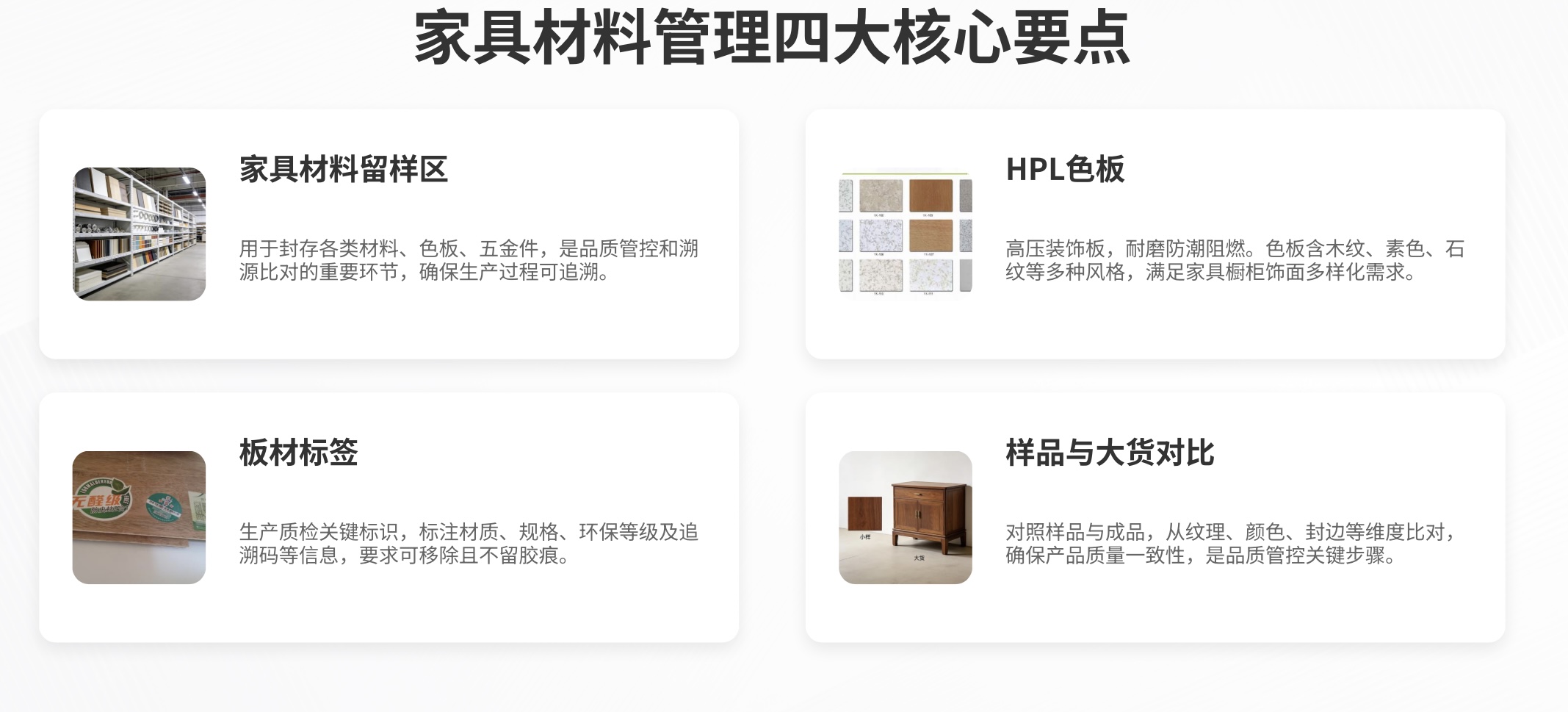
Third, material shortages sometimes occur when suppliers do not reserve inventory early. When HPL or fabric runs out, unorganized suppliers may switch to the closest available alternative. Mature suppliers, such as STL Hotel Furnishing, lock materials immediately after approval and store them under project-specific labels.
Fourth, inexperienced suppliers may not fully understand hotel-grade standards. Residential factories sometimes assume “similar material” is acceptable. Experienced hotel furniture manufacturers understand that commercial environments require stronger structures, better foam, and higher durability.
Preventing substitution is straightforward with the right controls: golden samples, material booking, first-piece approval, and QC reports. Reputable factories cooperate with these processes naturally because they already use them internally.
When buyers choose suppliers who specialize in hotel projects rather than general furniture, material consistency becomes much easier to ensure.