Top 7 Hotel Furniture Materials That Improve Durability & Reduce Costs
Publish Time: 2025-12-26
A hotel’s furniture materials determine not only its appearance but also its long-term operating cost. With rising guest turnover and increasing maintenance expense, 2026 hotel projects are shifting toward high-durability, low-maintenance materials. Here are seven materials now dominating the hospitality sector.
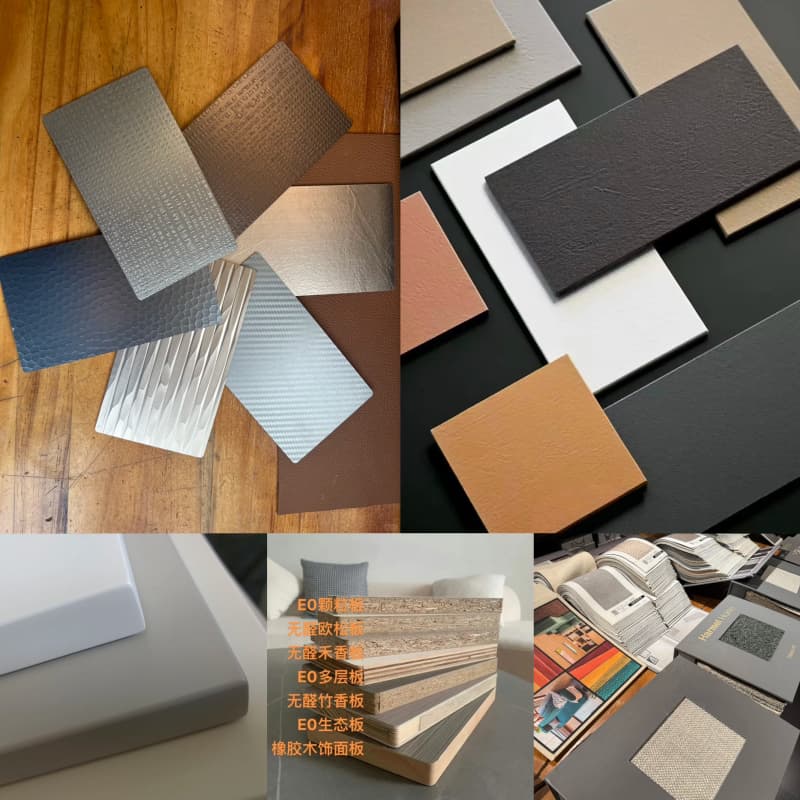
1. High-pressure laminate (HPL).
HPL provides scratch resistance, heat tolerance, and a wide range of textures—including wood, marble, and metallic finishes. It is ideal for wardrobes, desks, and minibar cabinets.
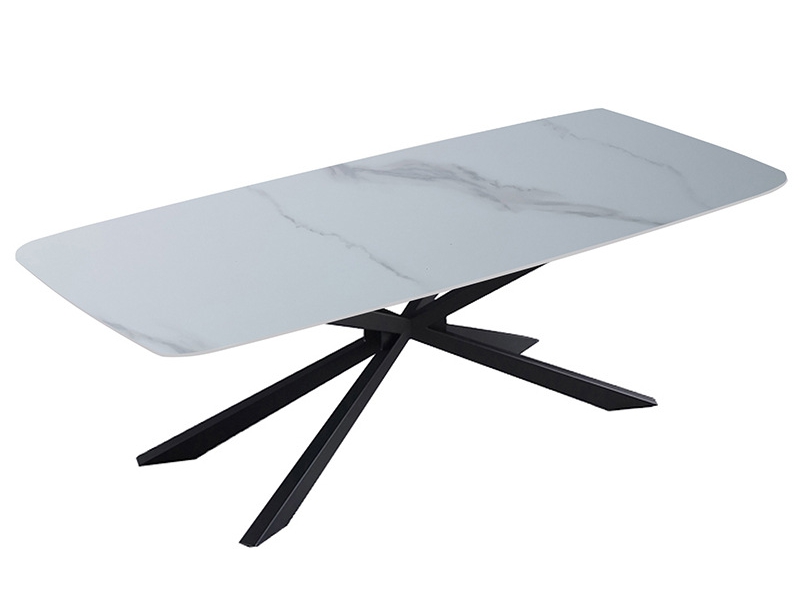
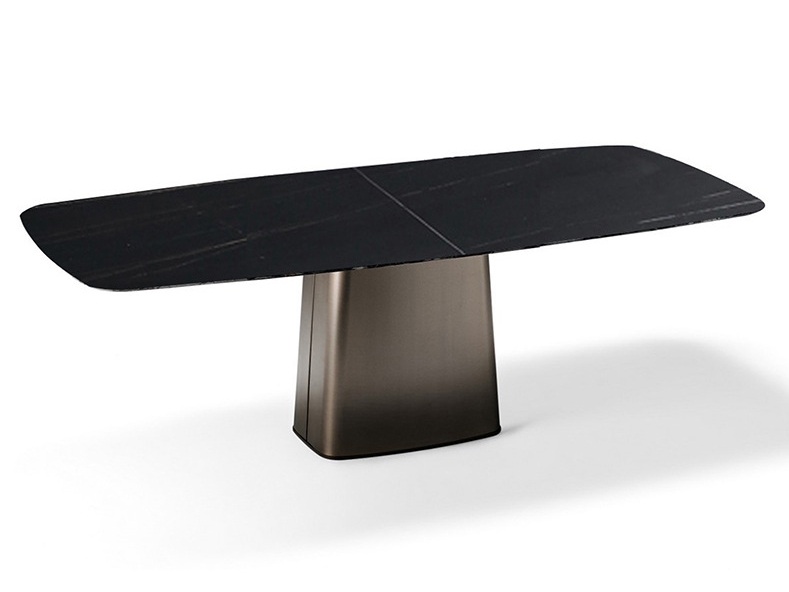
2. Sintered stone tabletops.
Unlike natural marble, sintered stone is non-porous, heat-resistant, and stain-proof. This makes it perfect for restaurant tables, vanities, and nightstands.
3. Powder-coated steel frames.
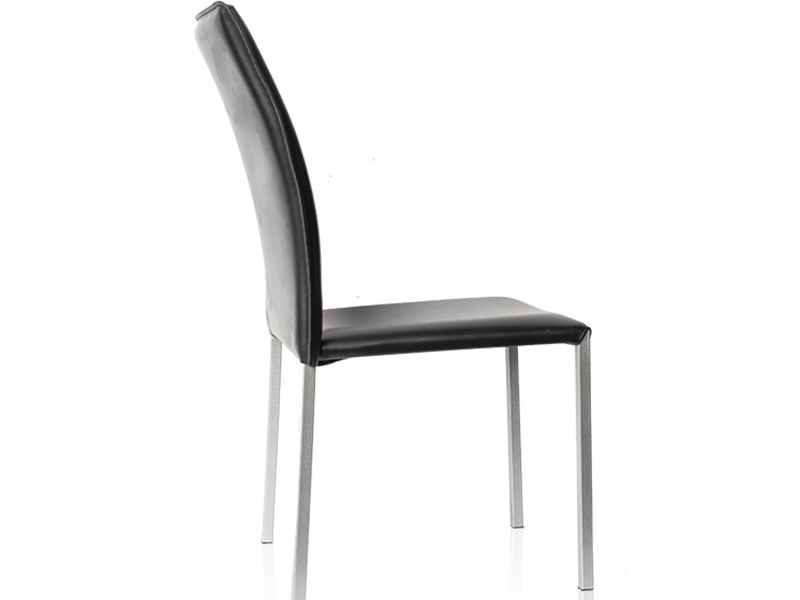
Powder coating offers stronger adhesion and longer lifespan compared to paint. Chairs, table legs, and luggage racks benefit greatly from this finish.
4. E0/E1 engineered wood.
Low-emission engineered wood is stable, moisture-resistant, and cost-efficient. It reduces warping and cracking, ensuring better performance in diverse climates.
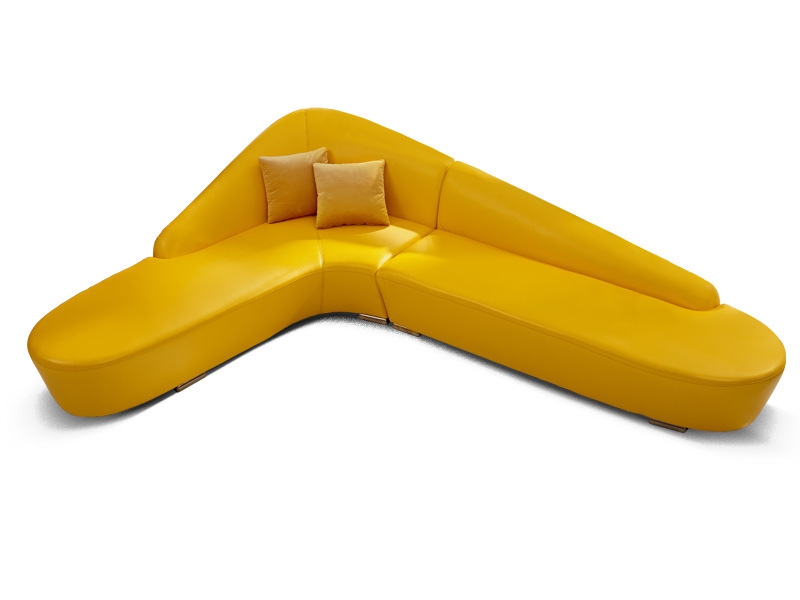
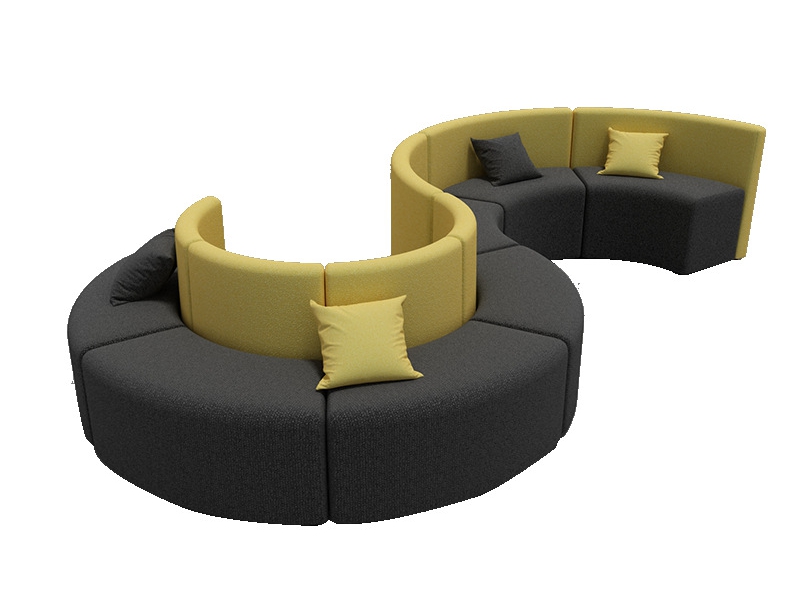
5. Commercial-grade upholstery fabric.
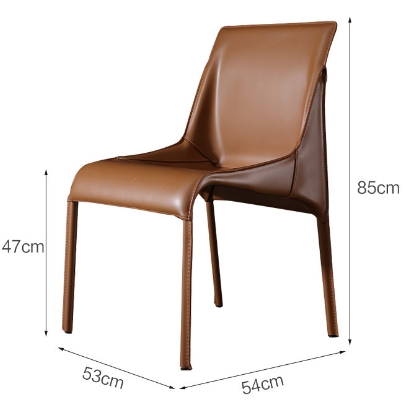
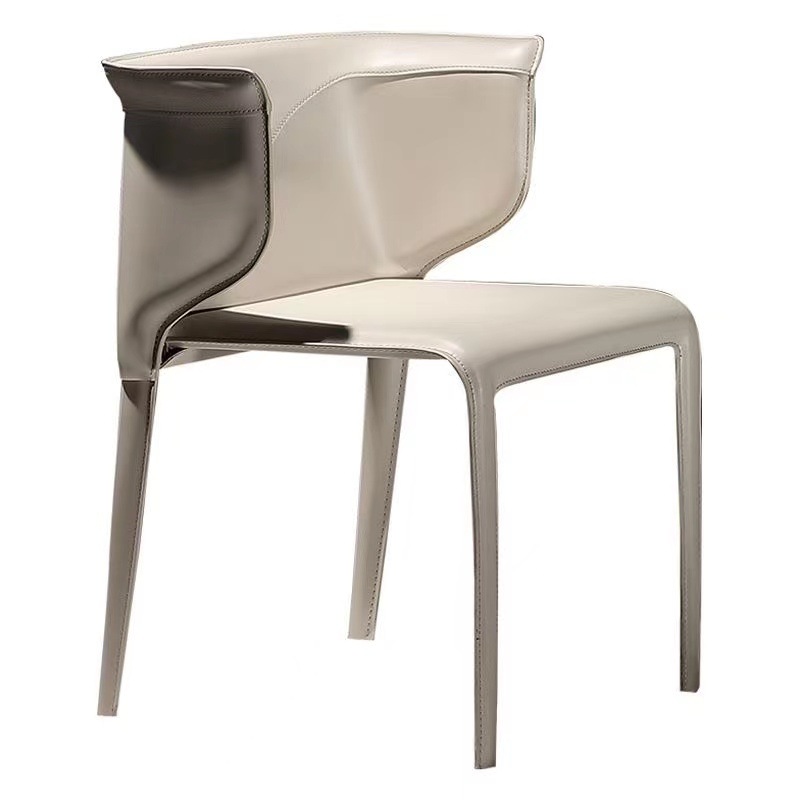
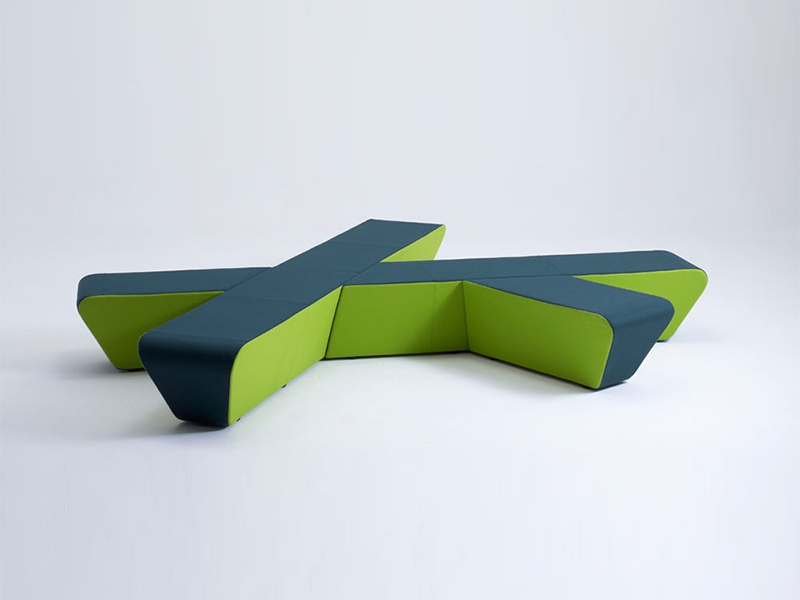
High Martindale numbers, stain-resistant coatings, and easy-clean textures make these fabrics essential for hotel sofas and chairs.
6. Soft-edge PVC edge banding.
Unlike thinner edge strips, PVC bands protect furniture corners against impacts from cleaning carts and guest luggage.
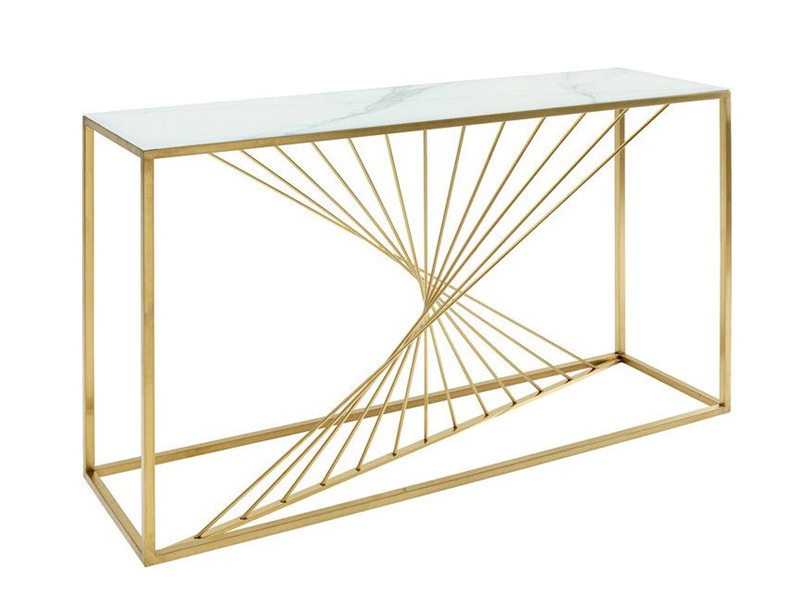
7. Anti-fingerprint metal finishes.
Applied to stainless steel or aluminum, these finishes reduce visible marks and maintain a clean appearance in public areas.
Choosing durable materials is one of the most effective ways for hotels to reduce renewal costs and maintain stable guest satisfaction.