Top 6 Hotel Furniture Design Mistakes That Increase Maintenance Costs
Publish Time: 2025-12-22
Furniture in hotels is not merely a decorative element—it must survive years of constant use, cleaning cycles, and guest behaviors that differ greatly from residential environments. Yet many hotels still fall into the same design traps that lead to high maintenance costs and frequent replacements. Understanding these mistakes helps operators save large amounts of money over the furniture lifecycle.
1. Using residential-grade fabrics in high-traffic areas.
Hotel lobbies, guest rooms, and restaurants require textiles with high Martindale ratings and stain-resistant properties. When hotels choose soft residential fabrics because “they look beautiful,” the upholstery often shows pilling, discoloration, or tearing within months. Commercial fabrics prevent these issues and significantly extend furniture lifespan.
2. Choosing sharp-edged furniture in compact rooms.
Tight guest rooms with sharp corners lead to faster damage on both furniture and walls, especially during cleaning. Rounded edges and soft radiuses minimize impact marks and reduce wall repainting frequency.
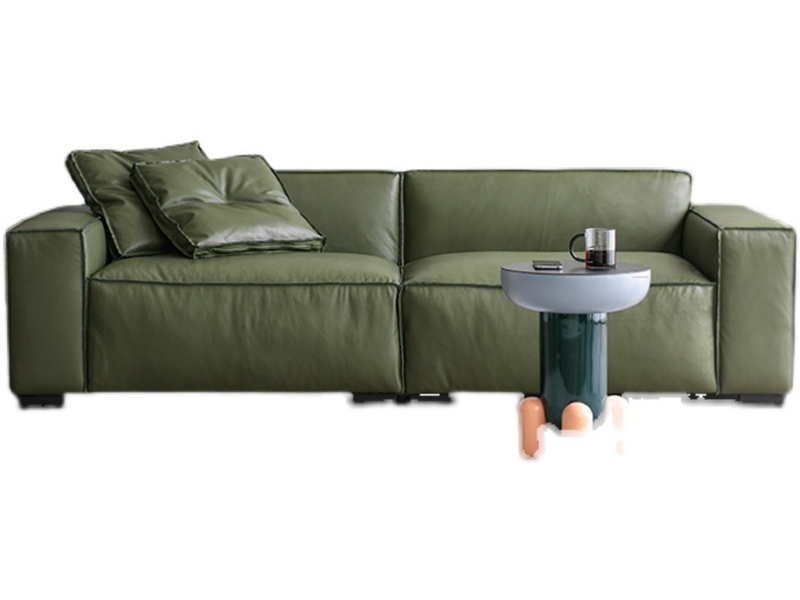
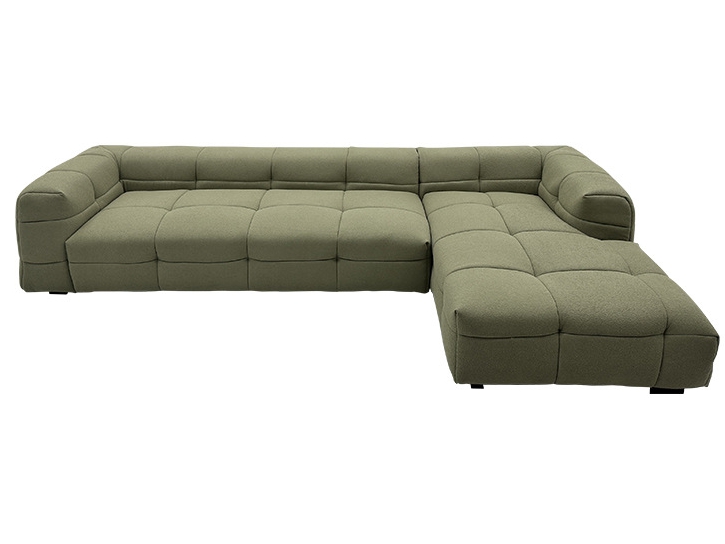
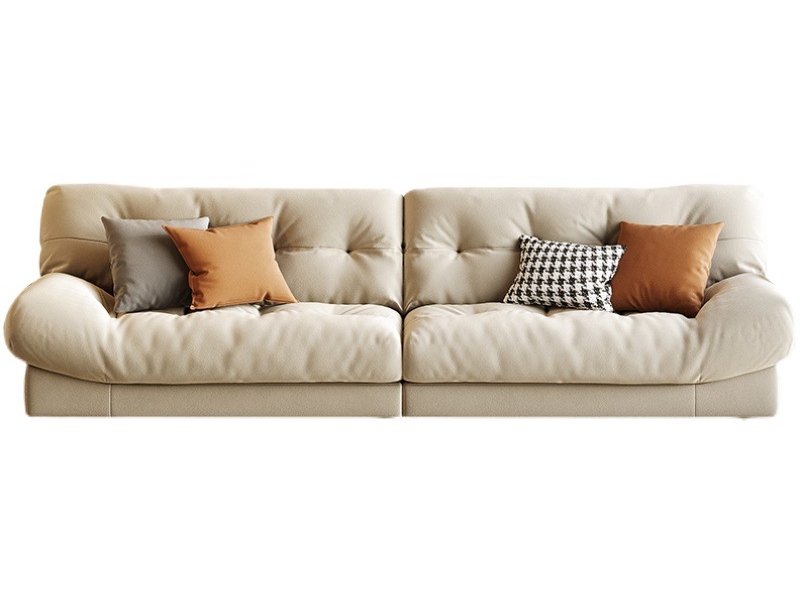
3. Selecting oversized sofas or tables.
Oversized pieces restrict mobility, complicate cleaning, and increase accident risk. Hotels benefit more from compact modular furniture that supports flexible layouts and maintenance efficiency.
4. Lack of integrated cable management.
When desks and bedside tables have no cable routing, guests pull wires, move furniture, and create stress on joints. Integrated cable holes, USB-C ports, and wire channels drastically reduce damage and improve guest experience.
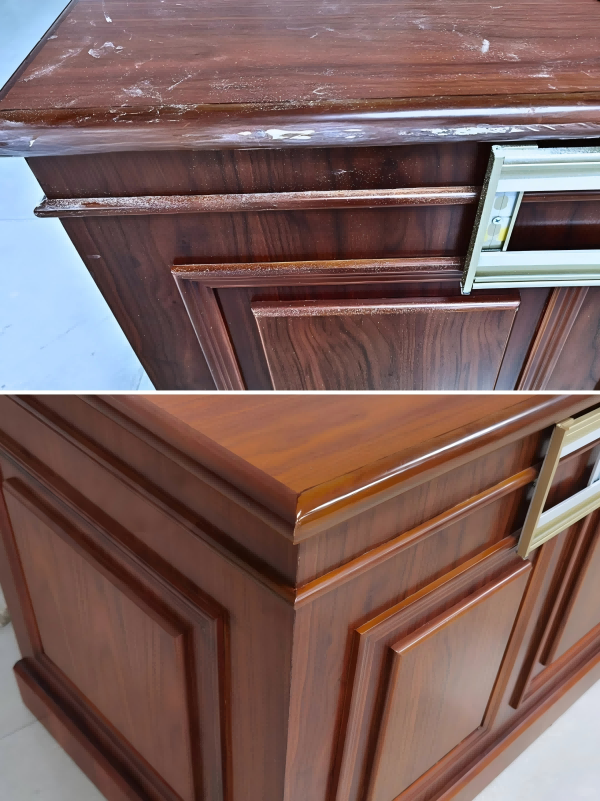
5. Using low-quality veneer or thin laminate edges.
Thin edges peel quickly, exposing substrate and ruining the appearance. Hotel-grade laminate or PVC edging prevents this, especially on wardrobe doors, bathroom cabinets, and minibar panels.
6. Underestimating lobby foot traffic.
Lobby furniture is often treated like guest room furniture—but traffic volume is 10–20 times higher. Upholstery density, frame strength, and finishes must match commercial-grade intensity.
Avoiding these mistakes reduces long-term repair costs and ensures hotel furniture stays attractive for years, enhancing brand reputation and guest satisfaction.