Digital Collaboration in Hotel Furniture Projects – Streamlining FF&E Management
Publish Time: 2025-11-28
Complex hotel projects involve architects, designers, factories, logistics partners, and installers—often spread across time zones. Without digital coordination, information gaps cause delays, rework, and unnecessary cost overruns.
1. Centralized Data Management
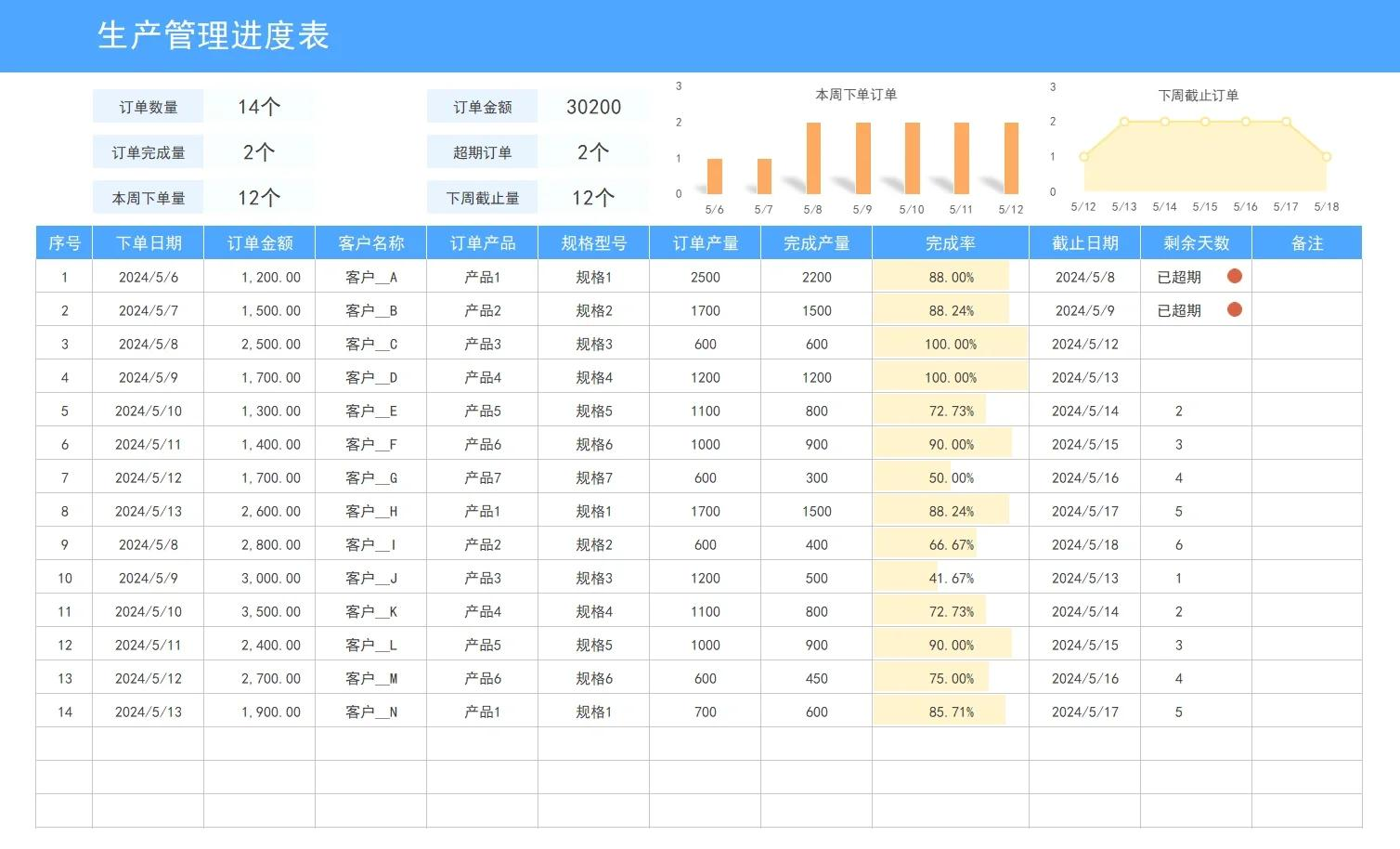
Adopt a cloud-based FF&E dashboard (e.g., Asana, Monday.com, or custom ERP). Each hotel furniture item should have:
Item code, drawing version, and finish matrix link.
Current production status (cutting / assembly / packing / shipped).
Associated QC photos and reports.
Real-time updates replace endless spreadsheets and emails.
2. Digital Drawings & Revision Control
Use BIM 360 or Autodesk Docs to manage CAD files. Each revision should auto-generate change logs so the site team always installs the latest version of hotel room furniture layouts.
3. Online QC Tracking
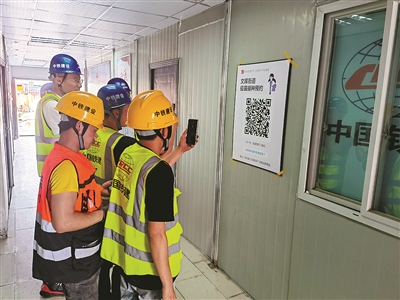
Link QR codes on each carton to cloud-stored inspection photos and checklists. QC teams can upload pass/fail results directly from mobile devices, reducing paper reports and errors.
4. Supply-Chain Transparency
Integrate shipment tracking APIs from freight forwarders. The logistics dashboard displays container numbers, ETD/ETA, and humidity sensor data—vital for sensitive lobby furniture shipments.
5. On-Site Installation Coordination
Digital room schedules show which furniture batch belongs to which floor. Installers scan QR codes to confirm delivery sequence and sign completion digitally.
6. Reporting and Handover
Once installation is complete, generate auto-compiled reports:
Delivered vs. planned quantities
Defect punch list summary
Warranty tracking numbers
Such documentation improves accountability and supports facility management later.
7. Benefits
30 % faster information exchange
20 % fewer delivery errors
Real-time visibility for owners and designers
Permanent digital record for warranty and maintenance
8. Implementation Tips
Start with one pilot project. Assign a “digital champion” to train staff and monitor compliance. Standardize file-naming conventions before rollout.
Conclusion:
Digital transformation is not about fancy software—it’s about eliminating blind spots. When every team operates from a single source of truth, hotel furniture projects become predictable, transparent, and scalable.