The Ultimate Factory Inspection Guide for Hotel Furniture Projects
Publish Time: 2025-11-19
No matter how refined your design drawings are, quality control only becomes real once production starts. For hotel developers and designers, the factory pre-shipment inspection (PSI) is the single most critical gatekeeper to ensure every piece of hotel furniture meets contract standards before it leaves the factory floor.
A missed defect at this stage can translate into hundreds of rooms of rework, site delays, and costly brand damage. Below is a complete, field-tested checklist covering documentation, functional testing, and packaging verification.
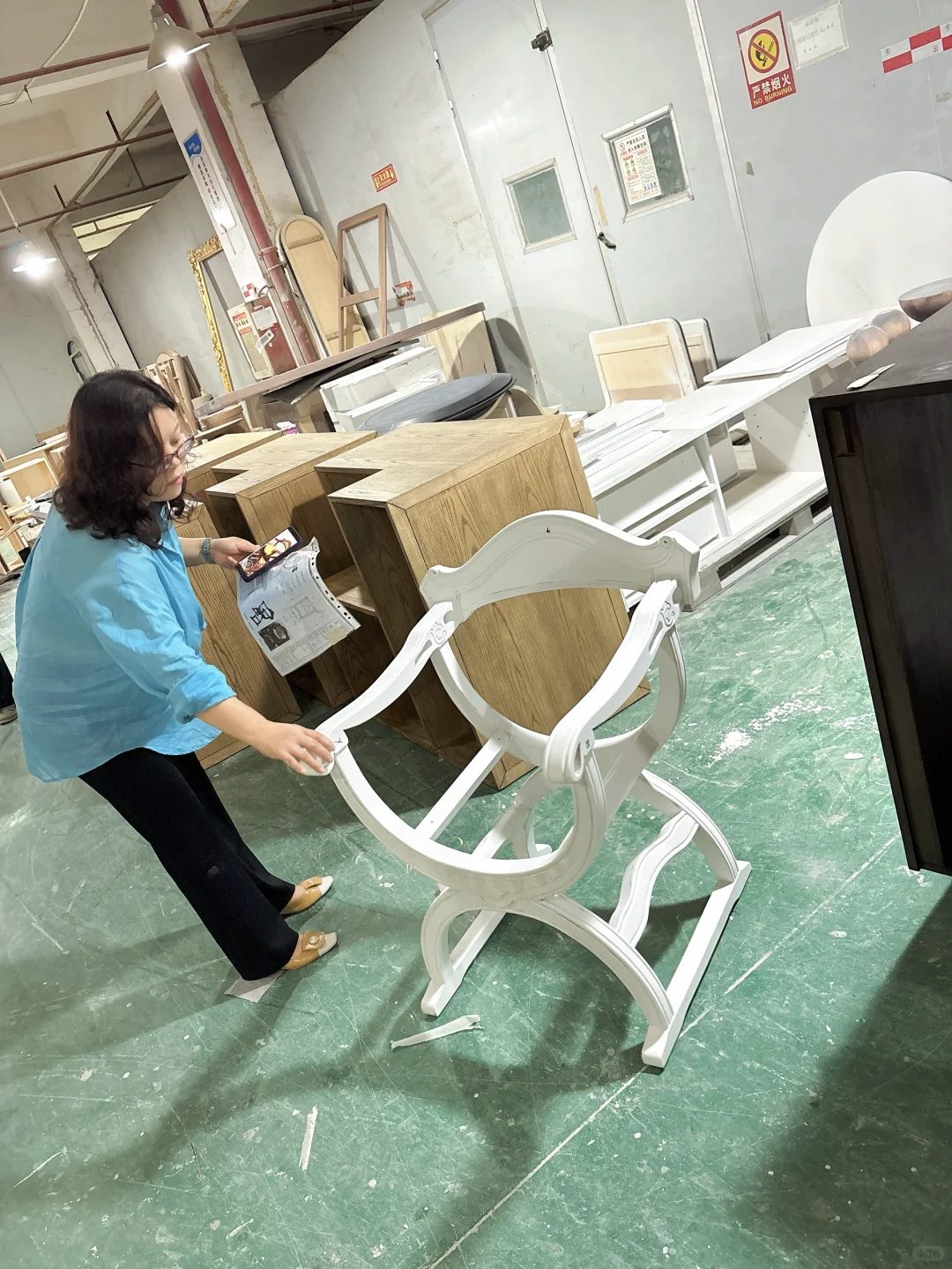
1. Verify Documentation Before Physical Inspection
Start with paperwork, not products.
·
Purchase Order (PO) & Bill of Materials (BOM): Confirm item codes, quantities, finishes, and revision numbers match the signed contract and approved Golden Sample.
·
·
Finish Matrix: Ensure all veneer, HPL, and paint codes are consistent across suppliers.
·
·
Fire & Safety Certificates: Check validity dates for BS 5852, CAL 117, or EN 1021 flame-retardant standards.
·
·
Hardware Specifications: Confirm hinge brands, slide models, and finishes—small substitutions here often trigger quality inconsistencies.
·
·
Inspection Authorization: Every PSI should have a formal inspection request form signed by both buyer and factory management to clarify accountability.
·
Documentation review ensures the physical inspection is anchored to the correct reference standards.
2. Dimensional and Structural Checks
Select samples according to the AQL (Acceptable Quality Limit) method—typically 2.5 for major defects and 4.0 for minor.
·
Dimensions: Measure key points using calibrated steel tapes or digital calipers. Tolerance should be ±2 mm for casegoods, ±1.5 mm for veneer reveals.
·
·
Structural Stability: Apply diagonal pressure to wardrobes and desks. Any rocking or twisting indicates improper leveling or weak joinery.
·
·
Surface Alignment: Check veneer or laminate grain direction matches the approved orientation; mismatched panels visually degrade the brand image.
·
·
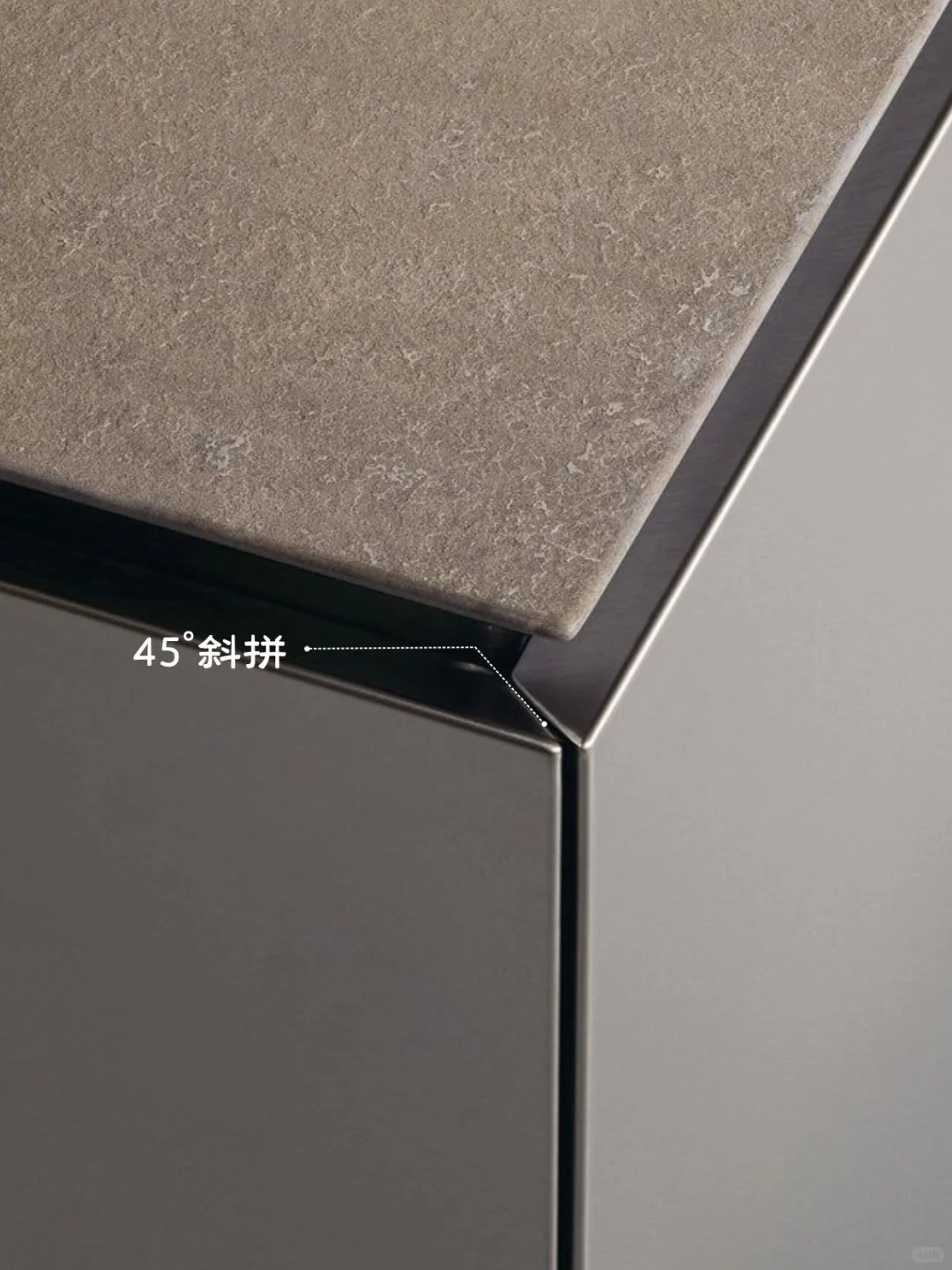
Corner and Edge Finishing: Edges must be smooth, sealed, and aligned; no burrs or exposed MDF.
·
Take reference photos with a scale ruler beside the item for record-keeping.
3. Functional Testing
Drawers and Hinges:
·
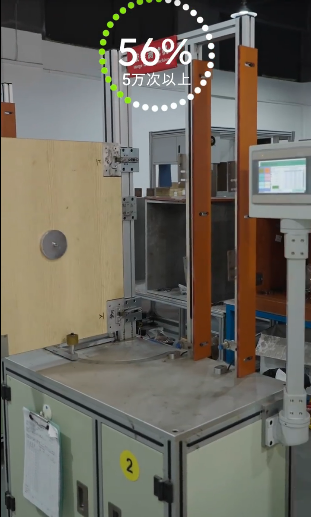
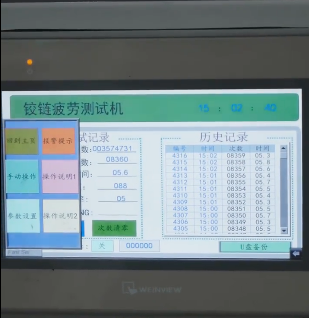
Test 10 full open/close cycles on each drawer. Slides must operate smoothly without grinding noise.
·
·
For doors, hinges must not rebound or drop more than 5 mm when released.
·
Power Components:
·
Plug all outlets and USB ports using load testers to verify voltage stability.
·
·
For hotel room furniture with built-in lighting, ensure no flicker or overheating occurs after 30 minutes of continuous use.
·
Chair and Sofa Load Test:
·
Seat cushion deformation should not exceed 20 mm under 100 kg load.
·
·
Armrests and frames must return to original shape within 10 seconds.
·
Table Stability:
·
Apply 20 kg lateral force; movement should be < 5 mm.
·
Functional testing separates visual beauty from operational reliability—a true mark of professional hospitality-grade furniture.
4. Finish and Color Verification
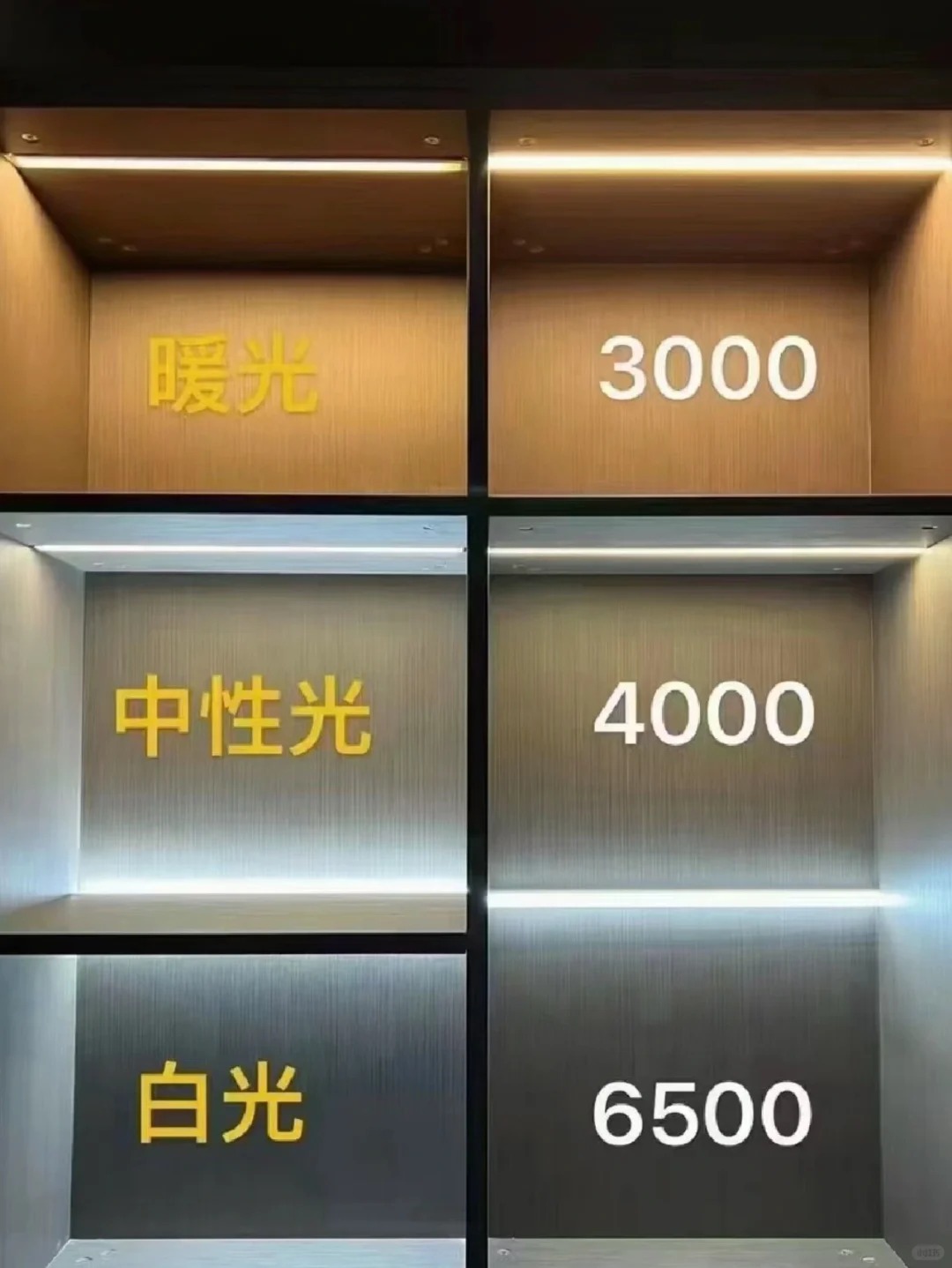
Use a standardized light box (D65 daylight + 3000 K warm) to inspect each finish sample next to the Golden Sample.
·
Color Deviation: Delta E ≤ 1.0 under D65.
·
·
Texture: Veneer pattern continuity checked at seams; no cross-grain mismatch.
·
·
Surface Quality: No visible scratches, pinholes, or dust inclusions within 600 mm viewing distance.
·
·
Gloss Level: Measure with gloss meter at 60°, tolerance ±5 gloss units.
·
This stage defines “visual acceptance” and prevents subjective disputes later.

5. Packaging and Labeling
Even perfect hotel furniture can arrive damaged if packing is careless.
Inspect as follows:
·
5-layer export-grade cartons with foam corner protection.
·
·
Pallet stacking height ≤ 1.8 m, each crate labeled with project name, room type, item code, and orientation arrow.
·
·
Desiccant packs and moisture barriers included in each carton.
·
·
Verify barcode or QR tracking system is functional for batch traceability.
·
·
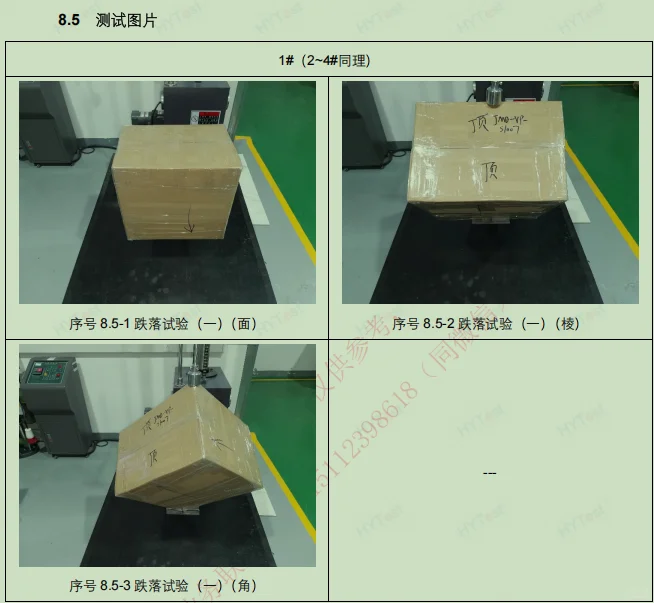
Conduct a drop test on one packed sample (from 60 cm height) to confirm shock resistance.
·
Proper packaging is part of quality, not an afterthought.
6. Reporting and Sign-Off
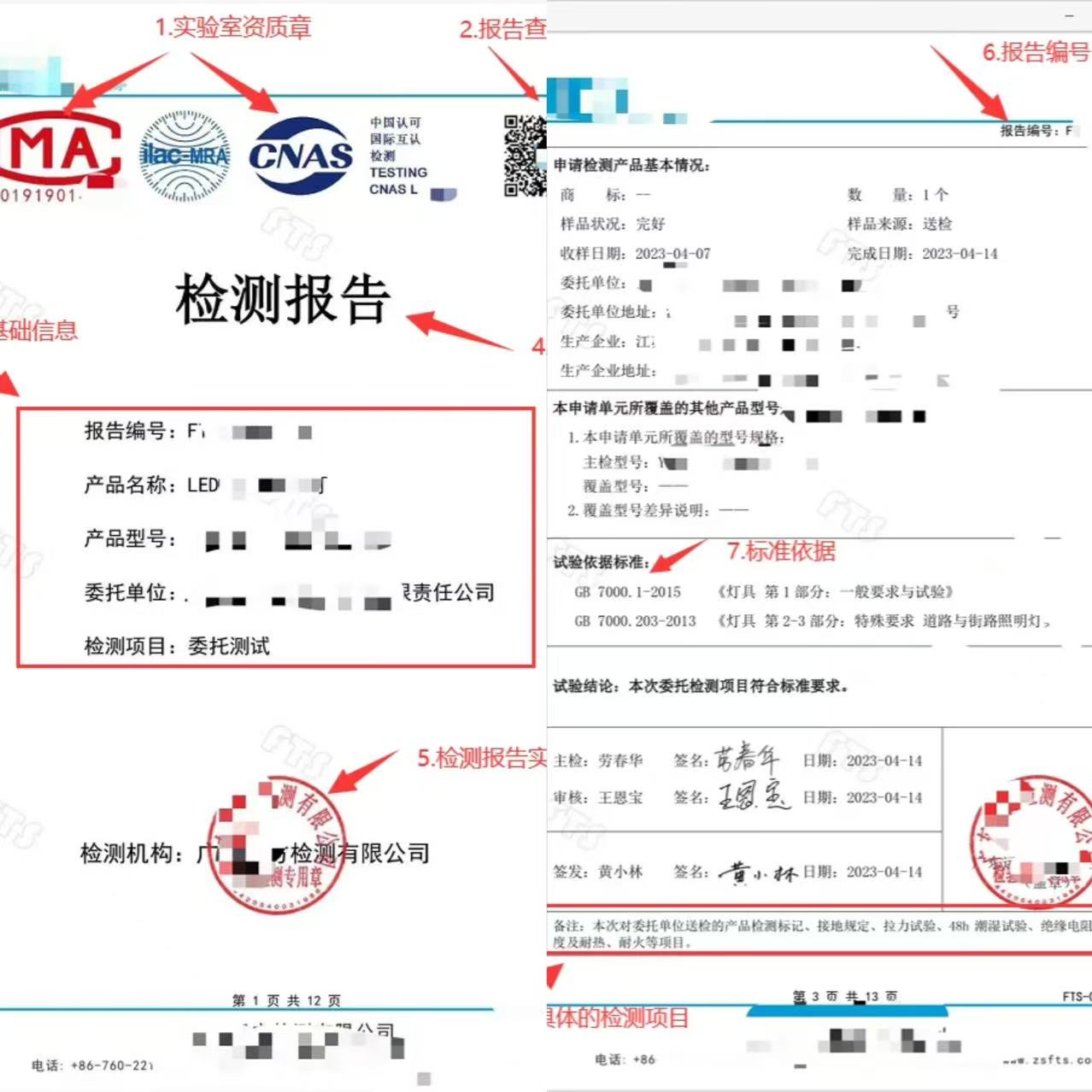
A professional PSI report should include:
·
Overview summary with project, factory, inspector name, and inspection date.
·
·
5–8 representative photos per item category.
·
·
Quantitative checklist (Pass/Fail) for each test item.
·
·
Percentage of accepted vs. rejected samples.
·
·
Inspector’s signature and buyer’s digital acknowledgment.
·
Retain both soft and hard copies for claim reference during installation.
Why It Matters
Skipping or simplifying factory inspections is a false economy. Once goods leave China, the cost of replacing even a single container of lobby furniture or guestroom casegoods becomes disproportionate. By enforcing structured inspections, you transform quality assurance into a repeatable system—not a one-time event.
Factories respect clients who know how to inspect. It’s not about distrust; it’s about discipline. A clear inspection protocol ensures your hotel furniture arrives as promised—on time, on spec, and on brand.