The Hotel Room Mock-Up Playbook: From First Sample to Zero-Defect Handover
Publish Time: 2025-11-17
In hospitality construction, most schedule delays and cost overruns begin long before installation. The single most effective way to prevent them is a disciplined mock-up process for hotel furniture—one that sets measurable standards, verifies design intent, and locks quality before mass production. Here’s a full playbook for moving from prototype to flawless handover.

1. Define Scope and Success Criteria
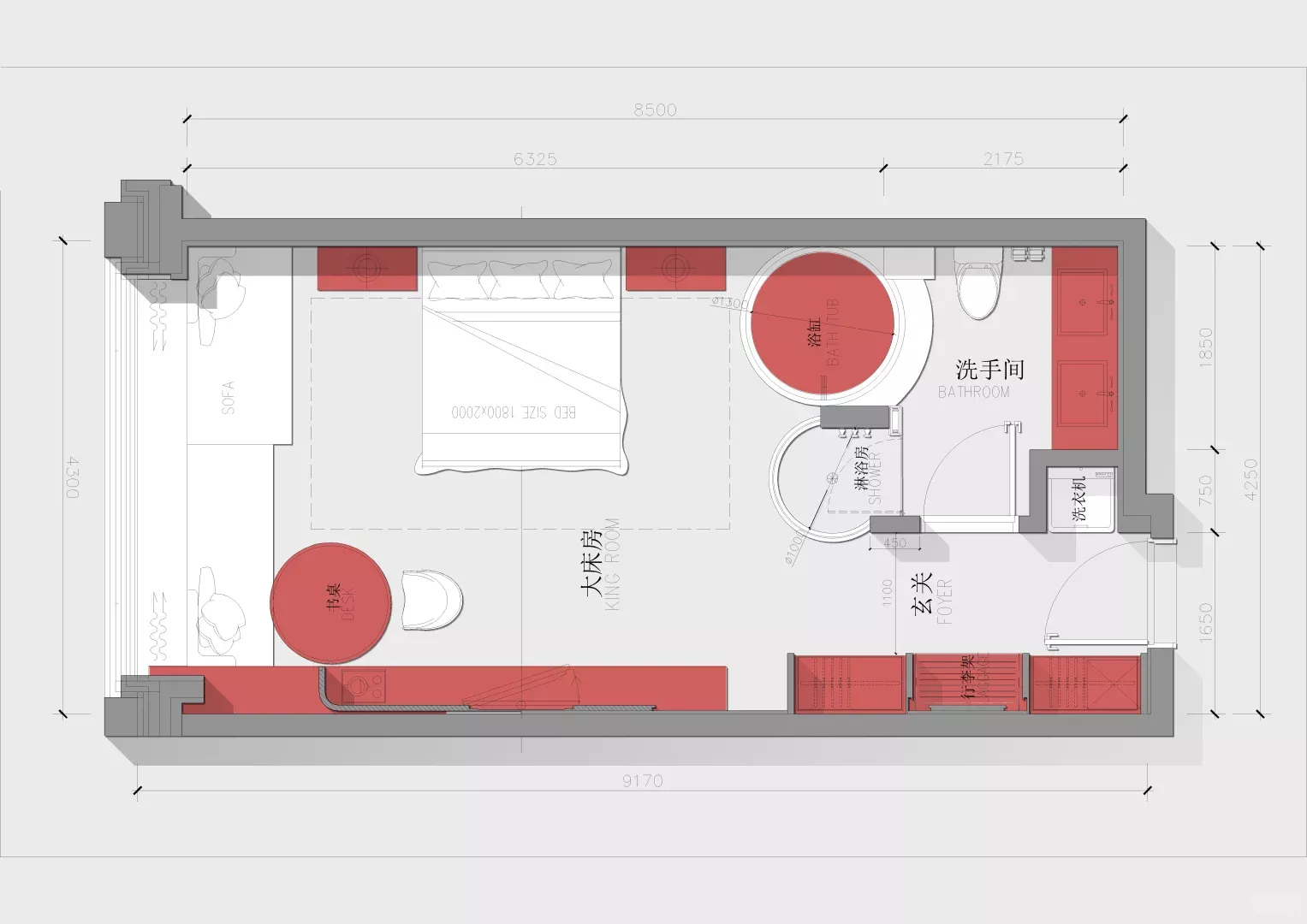
Before a single panel is cut, create a Bill of Items that lists every piece of hotel room furniture—bed base, headboard, nightstand, writing desk, wardrobe, minibar cabinet, luggage bench, mirror, vanity, and lounge chair. Specify each item’s finish code, edge profile, hardware type, and substrate thickness.
Translate the design vision into measurable Key Performance Indicators (KPIs):
·
Drawer slides rated for ≥ 25 kg and 5,000 open/close cycles.
·
·
Power outlets integrated into nightstands with concealed wiring and surge protection.
·
·
Door reveal tolerance within ± 1.5 mm; veneer grain alignment deviation ≤ 1 mm.
·
·
Fire-retardant fabrics meeting BS 5852 or CAL 117; coating VOC ≤ 150 g/L.
·
A well-defined acceptance matrix eliminates “looks different” debates once the mock-up is complete.
2. Build, Review, and Approve the Golden Sample
At the factory stage, produce one full set of hotel furniture as the reference standard. Evaluate the prototype under both 3000 K and 4000 K lighting to detect color shifts. Photograph every surface at 90 degrees, label each file systematically (e.g., Room-Desk-Walnut-V2-Date), and upload to a shared cloud folder.
Once approved, seal the Golden Sample with tamper tape and attach a signed specification sheet containing BOM, finish matrix, and revision history. Every subsequent production batch must reference this physical unit—not drawings alone. This avoids tolerance creep when multiple subcontractors are involved.
3. Apply AQL-Based In-Process Quality Control
Do not wait until shipment to check quality. Implement an Acceptable Quality Limit (AQL) plan for in-process inspections:
·
Critical (0): Instability, exposed sharp edges, electrical faults.
·
·
Major (1.0): Color mismatch, misaligned doors, uneven varnish.
·
·
Minor (2.5): Small paint dust (< 1 mm) on unseen surfaces.
·
Use batch QR codes linking each pallet to corresponding inspection photos and finish codes. Pre-packing checks must include corner protectors, anti-abrasion film, desiccant packs, and verified drop-test data.
4. Logistics and Site Readiness
Most damage occurs not in production but between the truck and the guestroom.
·
Survey every elevator and corridor; compare clear openings with crate dimensions.
·
·
Stage dust-free holding rooms per floor, complete with power outlets for tool testing.
·
·
Sequence installation logically: large casegoods first, then beds and nightstands, seating last.
·
·
Establish a waste-removal schedule—recyclables vs. landfill—to support ESG reporting.
·
Good logistics planning protects hotel room furniture investment and shortens installation time.
5. Execute the Mock-Up Room
Once the prototype room is assembled, inspect it as if you were a paying guest.
·
Ergonomics: Maintain ≥ 950 mm clearance around beds; ≥ 800 mm in front of wardrobes.
·
·
Power & Data: Verify socket height at 650–700 mm; ensure USB charging works for major phone models.
·
·
Lighting: Provide three layers—task, ambient, accent. Bedside reading lights ≥ 300 lux with glare control.
·
·
Surfaces: Test stain resistance with coffee and sanitizer; edges fully sealed; hinges soft-closing.
·
·
Noise: Wardrobe doors should close below 75 dB; felt glides must be fitted under all chairs.
·
·
Housekeeping simulation: Run a 10-minute cleaning trial to check reachability and stability.
·
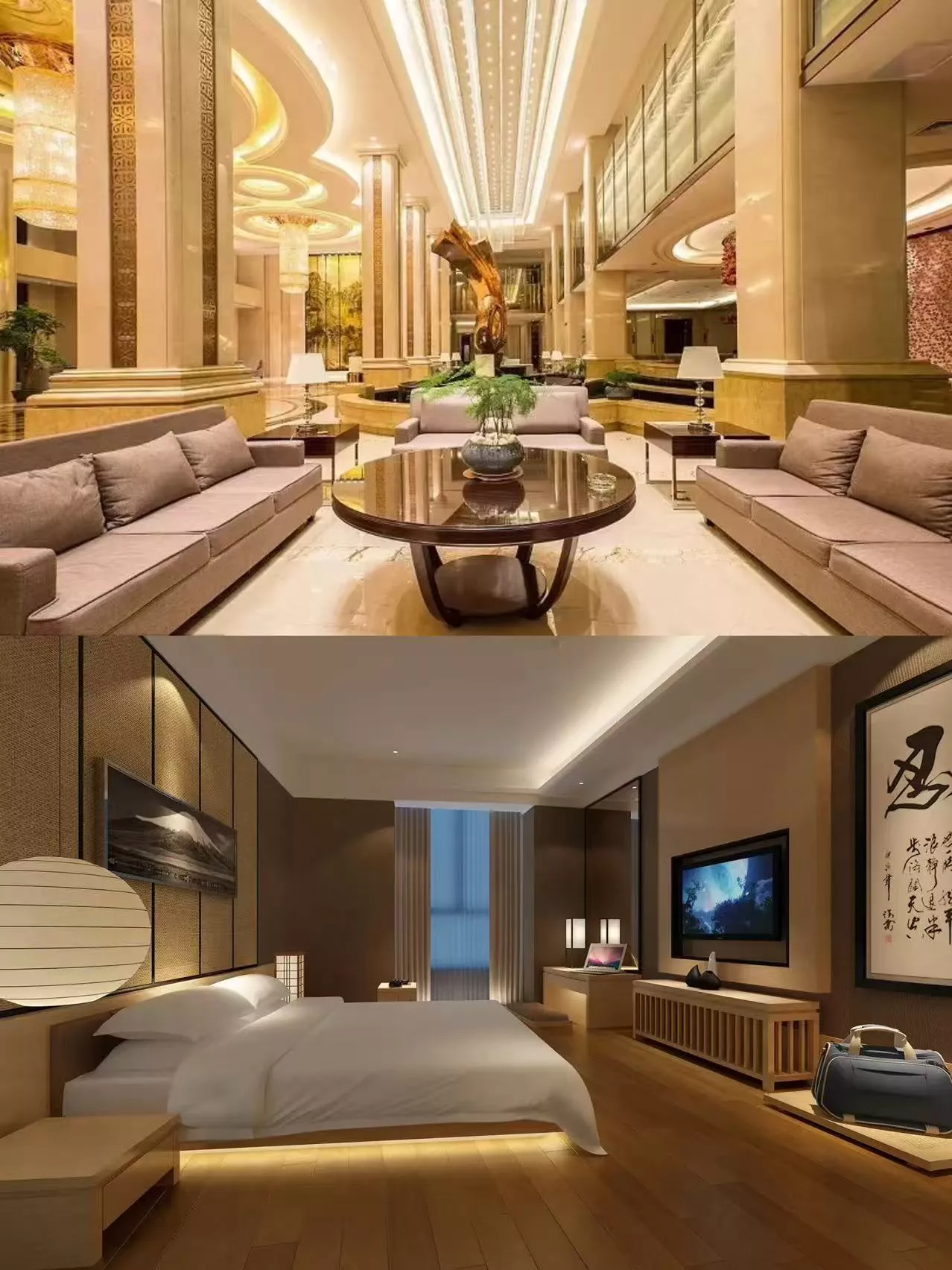
During this review, evaluate lobby furniture in parallel—testing wear resistance, charging modules, and spatial flow—to maintain a consistent standard between front-of-house and guestrooms.
6. Punch-List Management and Zero-Defect Closeout
Document every deviation using a structured code: Room-Item-Defect (e.g., 1507-NS01-HandleScratch). Include photos, dimensions, responsible party, and completion deadlines. Set Service-Level Agreements: Critical = 48 h, Major = 5 days, Minor = 10 days.
Re-inspection must occur under identical lighting and angles. Compare repaired pieces against the Golden Sample, not adjacent rooms. Randomly audit 10 % of unaffected rooms to prevent superficial fixes.
Archive final photos, sign-off sheets, and serial numbers as part of the handover dossier. This data becomes the baseline for warranty and facility management.
7. Spares, Warranty, and Lifecycle Strategy
Plan for longevity:
·
Maintain spare hinges, slides, and handles at 3–5 % of total quantity.
·
·
Store replacement upholstery covers and small panels 2–3 %.
·
·
Design for maintainability—removable covers, re-laminable tops, modular skirting boards.
·
·
Conduct annual torque and fabric-wear tests to forecast maintenance budgets.
·
Hotels that view hotel furniture as a managed asset, not a disposable expense, achieve dramatically lower lifetime costs and better guest satisfaction scores.
Why This System Works
When quality is quantified rather than debated, “taste” becomes measurable, accountability becomes automatic, and rework nearly disappears. Extending the same mock-up discipline to lobby furniture ensures seamless brand experience—no more polished reception areas with mediocre rooms behind them. A data-driven mock-up process transforms the entire FF&E cycle into a repeatable, low-risk operation—delivering hotel room furniture and public-area furnishings that are consistent, durable, and brand-defining.